


Ethical Gift Ideas That Deliver: 4 Traits to Verify Before You Buy
The best ethical gift ideas share four traits: they’re experiences, durable goods built to last, consumables that get used up, or verified artisan pieces with a real supply chain behind them. Skip anything vague about its origins. Breevar’s curated gift boxes, built from hemp and linen with transparent sourcing, check the durable-goods box for anyone shopping for sleepwear or essentials. What follows is a shortlist by category, plus a checklist so you can verify any claim before you buy.
TL;DR:
- Experiences and local activities are the most sustainable gift options, as they involve no manufacturing or shipping footprint.
- Consumables and subscriptions reliably get used up and usually cost less than $50, making them ideal for practical gift-giving.
- Durable products like linen sleepwear and underwear from transparent, eco-friendly materials support long-lasting use and clear sourcing.
- Verifying any claim involves checking certifications on official registries, asking for traceability details, and avoiding vague or unsubstantiated labels.
- Wrapping sustainably with reusable materials and choosing local or consolidated shipping options reduce environmental impacts significantly.
Table of Contents
- Curated Ethical Gift Ideas by Category
- How Do You Verify an Ethical Gift Claim?
- Low-Waste Wrapping and Delivery That Matches the Gift
- Are Experiences and Secondhand Gifts Really Better Than Buying New?
- Why Breevar Builds Gift Boxes Around Natural Fabric
- Where to Buy Breevar’s Ethical Gift Boxes
- Sources
- FAQ
Curated Ethical Gift Ideas by Category
Not every “sustainable” label means the same thing, so it helps to think in categories rather than hunting for a single perfect product. Some options cost nothing but planning. Others are a genuine splurge. Here’s how they break down.
Experience gifts top the list for a reason. Concert tickets, museum memberships, cooking classes, or a spa day carry no packaging waste and nothing ends up in a landfill. Sustainability guides consistently point to experiences and local options as lower-footprint choices than physical goods, mostly because there’s no manufacturing or shipping chain attached.
Consumables and subscriptions are the next best thing. Fair-trade coffee, loose-leaf tea, ethically sourced chocolate, or a refill subscription for household basics all get used up rather than shoved in a closet. They also tend to fit comfortably under $50, which makes them easy gifts for coworkers or hosts.
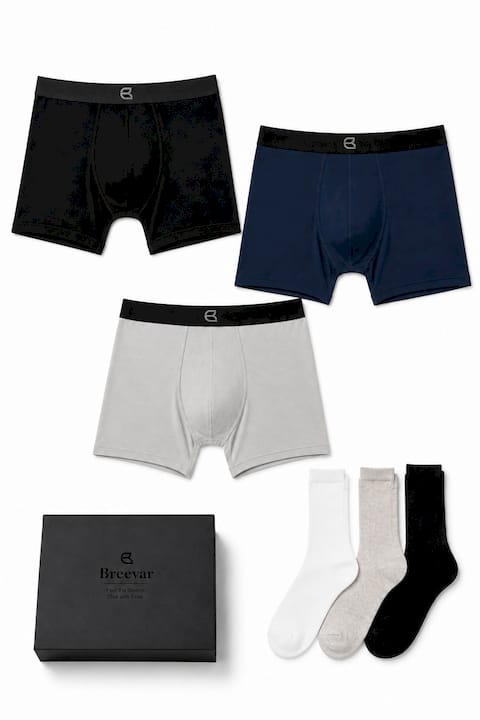
Durable everyday essentials matter when the recipient needs something practical. Apparel, linens, and cookware built for longevity beat cheaper versions that wear out in a season. This is where Breevar’s three gift sets fit naturally:
- The Naturally Better Underwear & Socks Essentials Gift Box works for a practical, no-frills pick, someone who wants comfort without extra fuss.
- The Naturally Better Underwear & Socks Deluxe Gift Box suits a bigger occasion, a bit more variety and a bit more indulgence.
- The Women’s Linen Everyday Luxury Gift Box with Linen Sleepwear & Subscription Socks leans into linen sleepwear, a good match for anyone who overheats at night and wants breathable fabric that actually helps.
Artisan and fair-trade home goods carry a maker story worth knowing. Look for pottery, textiles, or woodwork where the seller can name the person who made it and the materials involved. That kind of detail, not a logo alone, is what separates a fair-trade gift from a marketing claim, since genuine sourcing transparency tends to include origin and wage details, not just a badge.
Secondhand and vintage finds deserve more credit than they get. A well-chosen vintage mug, a refurbished record player, or a curated thrift find can feel more personal than anything off a shelf, especially when it’s wrapped with care instead of apology.
Pro Tip: If you’re shopping for someone you don’t know well, consumables and experience gifts carry the least risk. You can’t misjudge someone’s taste in coffee the way you might misjudge their taste in a sweater.
Budget-wise, consumables and small artisan items usually land under $50. Durable goods like the Breevar boxes sit in the midrange to gift-worthy splurge territory depending on the set. Experiences vary the most, from a $20 class to a weekend trip.
How Do You Verify an Ethical Gift Claim?
Start by figuring out which value matters most to you. Environmental impact and labor conditions aren’t the same thing, and a product can score well on one while saying nothing about the other. Once you know what you’re checking for, run through this:
- Check certifications directly on the issuing registry, not just the product page. Fair Trade USA, B Corp, and USDA Organic all maintain public directories where you can search by company name.
- Ask what the certification actually covers. A Fair Trade label on coffee beans doesn’t automatically mean the packaging or the shipping company meets the same standard.
- Look for traceability details, maker names, country of origin, specific materials, and any notes on the supply chain. Vague sourcing language is the first sign a brand hasn’t done the work.
- Check for durability and repair options. A clear return or repair policy usually signals a company that expects its product to last, not just sell once.
- Watch for red flags: words like “eco-friendly” with no specifics, certification badges with no registry link, unclear country of origin, or excessive single-use packaging around a supposedly sustainable product.
Genuine ethical claims hold up to scrutiny because they’re built on measurable, auditable evidence, field-measured impact data, documented sourcing, actual numbers, rather than a green color palette and a leaf icon.
Pro Tip: Email the seller and ask a direct question: “Can you share your certification number or a link to your registry listing?” A company with real credentials answers in a sentence. A company without them changes the subject.
Low-Waste Wrapping and Delivery That Matches the Gift
The wrapping and shipping around a gift can undo a lot of the good work you just did picking it. A few swaps fix that fast:
- Wrap in reusable fabric (furoshiki-style cloth works for almost any shape), recycled kraft paper, or a reusable tote bag instead of foil paper that goes straight in the trash.
- Choose local pickup or consolidated shipping when you can, and avoid last-minute express orders, which tend to carry a heavier footprint.
- For corporate or group gifting, favor digital certificates and audited impact add-ons with transparent reporting over vague “a tree was planted” claims with no verification behind them.
These habits echo what most sustainability reporting already recommends: reducing wrapping waste and rethinking shipping choices makes a bigger dent than people expect.
Are Experiences and Secondhand Gifts Really Better Than Buying New?
Often, yes. Physical goods carry manufacturing, packaging, and shipping costs that experiences simply skip, which is why shifting toward experiences and long-lasting goods shows up repeatedly in sustainability research as the lower-impact choice.
A few reliable alternatives to buying new:
- A donation or certificate made in the recipient’s name, paired with a reputable charity that publishes measurable outcomes, not just a mission statement.
- Homemade consumables like baked goods or preserves, packaged in a reusable jar or tin the recipient can keep.
- A secondhand find presented with intention: cleaned up, wrapped well, maybe with a note about where it came from.
Pro Tip: Personalized gifts rooted in what someone actually wants tend to land better than the “most ethical” item on paper. Empathy-driven gifting beats label-chasing almost every time.
Why Breevar Builds Gift Boxes Around Natural Fabric
Breevar makes sleepwear and underwear from hemp and linen because those fibers breathe. Moisture-wicking fabric matters most to people who overheat at night, and the gift boxes exist so that comfort doesn’t require guessing about sourcing.
Every set is designed with the same transparent material choices the checklist above asks shoppers to look for, and each purchase supports nonprofit initiatives tied to climate action. That’s not a claim buried in fine print. It’s the reason the boxes exist in the first place, and it’s why they hold up against the same scrutiny you’d apply to any other gift on this list.
— Jason
Where to Buy Breevar’s Ethical Gift Boxes
Three options cover most gifting situations. The Naturally Better Underwear & Socks Essentials Gift Box is the straightforward pick for a coworker, a host, or anyone who’d rather have something practical than decorative. The Naturally Better Underwear & Socks Deluxe Gift Box goes further for a close friend or a bigger occasion, with more variety inside. And the Women’s Linen Everyday Luxury Gift Box with Linen Sleepwear & Subscription Socks is built for someone who wants breathable linen sleepwear paired with a sock subscription that keeps giving after the box is opened.
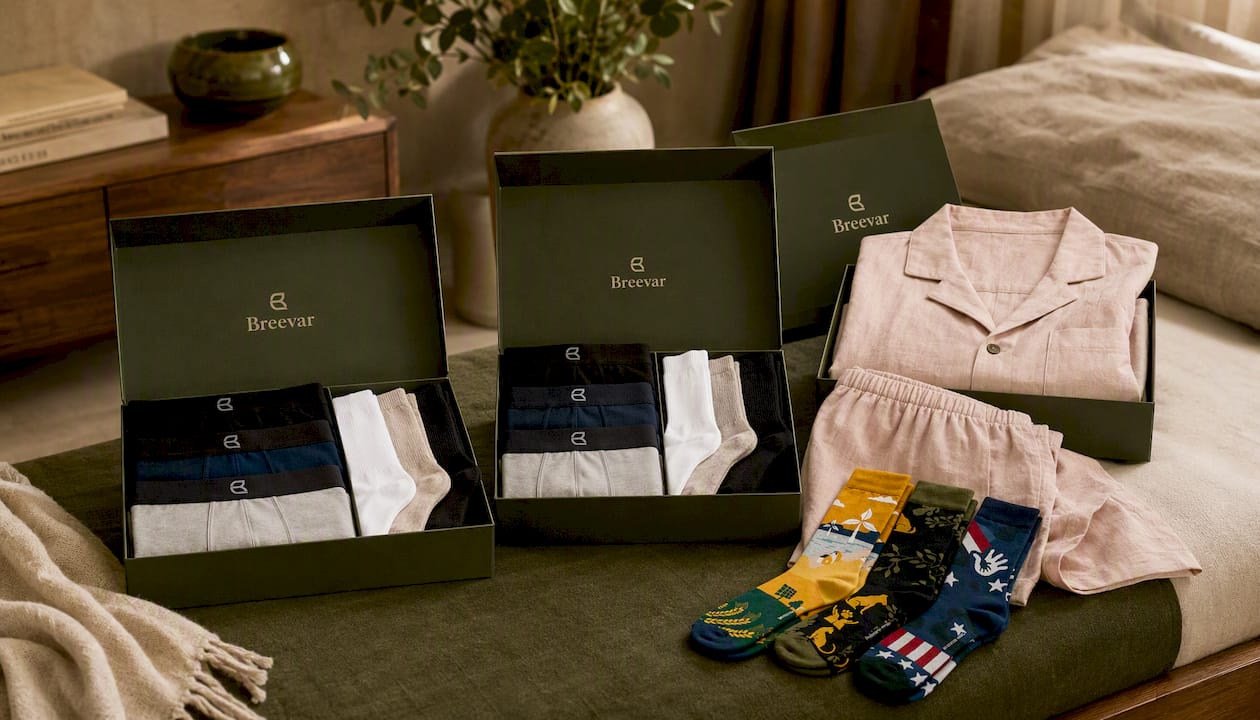
Each set offers personalization options for a more direct, considered gift, and every purchase carries Breevar’s nonprofit support built in, no separate donation step required. If you’ve read this far and want a gift that passes the checklist above without extra research, start at Breevar’s gift box collection and pick the set that matches your recipient’s needs.
Sources
- Gifts for the planet? Get into the right frame of mind
- Mindful gifting could be the kindest thing you do for yourself and others this Christmas
- Ethical corporate gifts
- Second-hand gifts, new experiences: shaking up holiday gift giving
FAQ
What Counts as an Ethical Gift?
An ethical gift is one where the materials, labor, and packaging can be verified, whether that’s a certified fair-trade product, a durable good with transparent sourcing, or a low-waste experience.
Are Experience Gifts More Sustainable Than Physical Ones?
Generally yes, since experiences skip the manufacturing, packaging, and shipping steps that add up in a physical product’s footprint.
How Do I Spot Greenwashing in Gift Marketing?
Watch for vague terms like “eco-friendly” without specifics, badges with no registry link, and unclear country-of-origin details.
Does Breevar Offer Ready-Made Ethical Gift Sets?
Yes. Breevar sells three curated gift boxes made from hemp and linen, ranging from an essentials set to a deluxe option and a women’s linen sleepwear bundle.
What’s a Good Budget-Friendly Ethical Gift?
Consumables like fair-trade coffee, tea, or ethical chocolate typically fall under $50 and avoid the clutter that comes with physical keepsakes.


Leave a comment