

Breathable Lounge Shorts: How to Choose a Cool Pair
Breathable lounge shorts are made from a lightweight, loosely constructed fabric that lets air reach your skin and moves sweat away from it, in a relaxed cut that doesn’t trap heat. The label alone won’t tell you that. Fabric, weave, finish and fit all matter, and this guide shows you how to judge each one before you buy.
TL;DR
- Breathability depends on construction as much as fiber: open weaves and loose knits move the most air, and dense or heavily finished fabrics move the least.
- Look for fabric that does two jobs: lets air through and pulls moisture off the skin. Linen, hemp, modal and well-made cotton blends can all do this.
- A relaxed fit, a waistband that stays put without digging in, and an inseam that doesn’t bunch when you sit make the biggest difference to comfort.
- Regular, soaking night sweats are a reason to talk to a doctor, not just to change shorts.
- Cold washing and air drying keep breathable fabrics soft and working longer.
Table of Contents
- What actually makes lounge shorts breathable
- Cotton, linen, hemp, modal and blends compared
- Fit, waistband and inseam: the parts a fabric chart ignores
- If you overheat at night
- Reading labels: what “sustainable” can and can’t tell you
- Balancing quality, price, personalization and giving
- Washing and care that keep shorts breathable
- Our perspective: breathable beats clever
- Cool, natural sleepwear from Breevar
- FAQ
- Sources
What actually makes lounge shorts breathable
Breathability is not a marketing adjective. In textile testing it has a measurable form: air permeability, which is how easily air passes through a fabric. ASTM International’s D737 method is the standard way labs measure it, and it notes that construction and finishing techniques can appreciably affect the result. The same fiber can behave very differently depending on how it was made.
Three things decide the outcome.
Weave or knit. Textile research from the National Institute of Standards and Technology found that packing more yarns per inch sharply reduces air permeability, and that a basket weave lets through more air than a comparable plain weave. In plain terms: a tight, dense fabric feels warmer than an open one made from the same thread. Florida State University professor Meredith McQuerry, speaking to AP News, says open weaves and loose knits give the greatest airflow.
Weight. Lightweight fabric has less material for air and heat to pass through. A heavy fleece or thick terry short may feel cozy in January, but it is the opposite of what you want on a warm night.
Finish. Water-repellent and soil-repellent finishes can seal up a fabric. AP’s reporting advises avoiding heavy finishes of this kind if airflow is your priority. Shorts sold as “stain-resistant” are worth a second look.
Air getting through is only half the story. USDA Agricultural Research Service textile researchers caution that high air permeability alone is not enough if the fabric doesn’t also absorb sweat and move it away from your skin. Their work on cotton-flax blends shows why: combining the two gave fabric that wicked moisture and let air through, which helped it dry faster. Comfort comes from the balance, and either property alone can leave a fabric feeling damp or slow to dry.

Cotton, linen, hemp, modal and blends compared
Fiber names are a starting point. A nurse-authored fabric guide makes the same point: label names are only indicators, and real performance depends on yarn size, weave, thickness and finishes. With that caveat, here is how the common options behave in lounge shorts.
| Fabric | How it tends to feel | Strengths | Watch for |
|---|---|---|---|
| Cotton | Soft, familiar | Good air and water-vapor permeability | Can hold moisture and feel clammy when wet |
| Linen (flax) | Crisp, airy, softens with washing | Highly breathable and absorbent, moves moisture well | Wrinkles readily |
| Hemp | Sturdy, softens with wear | Natural, breathable fiber, durable | Can start out textured; blends feel softer |
| Modal | Smooth, fluid | Soft and absorbent | Fabric weight and knit matter a lot |
| Synthetic blends | Slick or stretchy | Wick and release moisture without holding liquid | Less pleasant to some sleepers; can hold odor |
The claims behind that table come from several places. An academic review of textile engineering notes that natural fibers such as cotton are hydrophilic, with good air and water-vapor permeability, but can retain moisture and feel clammy when wet, while synthetics are hydrophobic and generally preferred as base layers for high activity because they release moisture without holding it. For linen, a laboratory study by CETELOR, summarized by the Alliance for European Flax-Linen & Hemp, identifies flax as highly breathable and absorbent, with effective moisture transfer and thermoregulation that comes from a balance of ventilation and insulation. The fabric guide cited above adds that linen wrinkles readily, while modal and lyocell often feel soft, fluid and absorbent.
There is no single winner. A 2024 review of sleepwear and bedding fibers describes sleep outcomes as a complex interplay and notes that thermal properties depend on fiber type, thickness, yarn structure and the room around you. Pick fabric for how you sleep and lounge, not for a single headline fiber.
If you want more depth on individual fibers, we’ve compared them in hemp vs cotton for breathability and comfort and in our guide to fabrics for night sweats.
Why a cotton-poly blend isn’t automatically bad
Many of the best-known lounge shorts use a light cotton-poly or cotton-spandex blend, and they can work well when the knit is thin and open. The trade-off is the one in the table: the synthetic portion helps with drying and stretch, while the natural portion adds softness and air exchange. If you run warm, favor a blend that is mostly natural fiber and a thin, loose knit. If you tend to sweat heavily, check how the fabric feels after a few hours rather than trusting the tag.
Fit, waistband and inseam: the parts a fabric chart ignores
A breathable fabric in a clingy cut still traps heat. AP’s reporting says that looser casual fits generally allow more airflow, while closer fits can help sweat evaporate during activity. Lounging and sleeping are not activity, so start with a relaxed shape.
Waistband. Look for a soft elastic or a flat, covered elastic with a drawstring, so you can fine-tune the fit. A band that rolls, pinches or digs in becomes obvious the moment you lie down. Wide, flat waistbands tend to spread pressure better than thin, tight ones.
Inseam. Short inseams (around 3 inches) leave the most skin exposed and suit hot sleepers. Longer cuts (5 to 7 inches) cover more of the thigh and feel more like everyday shorts. Sit down in them before you decide: the hem shouldn’t ride up and bunch, and the leg opening shouldn’t pinch your thigh.

Construction. Flat or covered seams reduce chafing against skin, which matters most where fabric rubs: the inner thigh and waist. Pockets are a nice extra for daytime wear, but doubled pocket bags add fabric and heat, so a lighter pocket is better for sleeping.
Length of use. If you want one pair for the couch, errands and bed, choose a slightly longer inseam in a woven fabric such as linen. If they are strictly for sleeping, go shorter and softer.
If you are weighing shorts against other pajama shapes, our comparison of pajama shorts vs a nightgown looks at which sleeps cooler.
If you overheat at night
The right shorts can take the edge off warm nights. Look for the fabrics above, a loose cut and minimal layering, and keep the bedding light too. For more on this, see our piece on temperature regulating pajamas.
But clothing doesn’t explain every sweaty night. The Mayo Clinic describes night sweats as frequent, heavy sweating during sleep that soaks clothes or bedding, and advises seeing a healthcare provider if they are regular, disrupt your sleep, or come with fever or unexplained weight loss. If that describes you, book an appointment with your primary care doctor rather than trying one fabric after another. Shorts are for comfort. They are not a treatment.
Reading labels: what “sustainable” can and can’t tell you
Lounge shorts are often sold on green language, so it helps to know what is legally required and what is just copy.
In the United States, most textile products must carry a label that discloses fiber content, country of origin, and the manufacturer or another responsible business, according to the Federal Trade Commission’s labeling guidance. That is your reliable baseline: check the percentages before you believe the product title.
Environmental claims are looser. FTC advertising guidance says that broad claims of general environmental benefit should be qualified or avoided, and that advertising claims must be substantiated. A vague “eco-friendly” with nothing behind it deserves skepticism. Look for specifics: which fiber, what certification, what the brand actually does.
Cotton in particular comes with sourcing language that can confuse shoppers. If you want to understand how cotton sourcing claims relate to what’s actually in the garment, this explainer on BCI cotton labels is a good place to start.
A few pointers on what to weigh:
- Fiber type. Shoppers are often advised to favor natural, biodegradable fibers, and to look for certifications such as FSC for wood-based fibers like modal, as Forbes Vetted’s cooling pajama guide notes.
- Use phase. In a life cycle study of cotton T-shirts, cultivation, dyeing, making-up and use were the main contributors to environmental impact, with washing and drying adding water, detergent and electricity. How you care for shorts matters nearly as much as how they were made.
- Longevity. The greenest pair is the one you keep wearing. A garment that pills or loses shape in a year is not a bargain.
Balancing quality, price, personalization and giving
Most shoppers are trading off four things at once. A way to sort them:
- Start with fabric and fit. If the shorts aren’t comfortable on a hot night, nothing else matters.
- Judge price by wears, not by tag. A pair you reach for three nights a week for several years costs far less per wear than a cheap pack that goes baggy after a season. Multi-packs are fine for basics, but check the fabric weight and waistband before you stock up.
- Treat sustainability as a bonus you can verify. Fiber content on the label, a clear explanation from the brand of what it supports, and care instructions you will actually follow.
- Personalization when it’s a gift. A monogram turns a basic into a present. Because personalized items usually can’t be resold, be sure of size and style first.
For a gift, choose a relaxed, adjustable cut, since a drawstring forgives sizing errors that a fixed waist doesn’t. Natural fabrics in neutral colors also suit more people.
Washing and care that keep shorts breathable
Follow the care label first. Beyond that, the general advice in Forbes Vetted’s guide to cooling sleepwear is to wash in cold water, use minimal drying cycles and hang dry when possible, since care needs vary by fabric and some cooling garments last longer when air dried.
Practical habits that help:
- Wash with similar fabrics, and skip fabric softener. Softener can coat fibers and reduce how well they absorb moisture.
- Don’t overload the machine: friction is what causes pilling and rough spots.
- For linen and hemp, skip high heat, which can stiffen the fibers and shrink them. Our guide to washing linen pajamas covers cold and warm cycles in detail.
- For modal, keep water cold and heat low, as in our modal underwear washing guide. The same logic applies to modal shorts.
Our perspective: breathable beats clever
We build our products around a simple belief: comfort in warm sleep comes from natural, airy fabrics worn in a relaxed cut, not from a stack of technical claims. That is why we work with hemp, linen and modal, and why we pay attention to moisture-wicking and seamless, anti-chafe construction. A fabric that feels good at 2 a.m. is the real test, and it is one that a spec sheet can’t pass for you.
We also think sustainability should be something you can see in what you’re buying, not a slogan. Every purchase with us supports nonprofit initiatives focused on climate action and social responsibility, and we’d rather tell you that plainly than wrap it in vague green language. If you are choosing between two pairs that feel the same, pick the one whose maker is specific about what it does.
Our advice for anyone who runs hot: start with fabric, then fit, then everything else. Hold a fabric to the light. If you can see the weave, air can get through it.
— Jason
Cool, natural sleepwear from Breevar
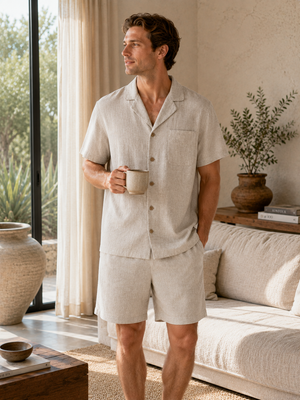
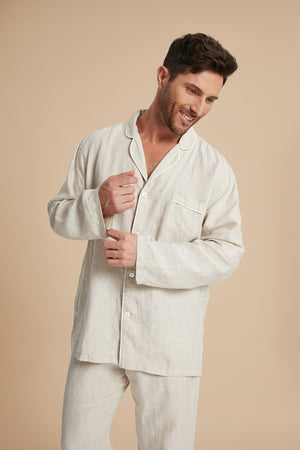
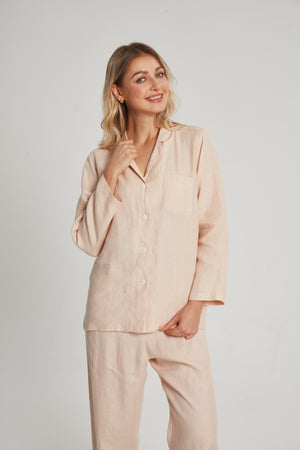
We make sleepwear, underwear and socks for men and women in breathable natural materials such as hemp, linen and modal, with moisture-wicking fabrics, seamless anti-chafe construction, personalized monogram options and curated gift sets. If you want to see how a natural fabric feels on a warm night, start with our men’s short-sleeve linen sleepwear, or browse the women’s sleepwear, men’s sleepwear and hemp sleepwear collections.

Buying for someone else? Add a text monogram to make it personal, and pair sleepwear with socks or underwear for a complete set.
FAQ
What fabric is best for breathable lounge shorts?
There is no single best fabric, because weave, weight and finish matter as much as the fiber. Linen, hemp, modal and light cotton are all good starting points. Choose a thin, open construction that both lets air through and absorbs sweat.
Are cotton shorts breathable enough for hot sleepers?
Often, yes. Cotton has good air and water-vapor permeability, but it can hold moisture and feel clammy once damp. If you sweat a lot at night, consider linen, hemp or modal, or a cotton blend with a thin, loose knit.
What inseam is coolest for lounging?
Shorter inseams, around 3 inches, expose the most skin and tend to feel coolest. Longer ones feel more like everyday shorts. Sit and lie down in them before deciding, since the hem shouldn’t ride up or pinch.
Should I see a doctor about night sweats?
See a healthcare provider if sweating is regular, soaks your clothes or bedding, disrupts your sleep, or comes with fever or unexplained weight loss. Changing fabrics can improve comfort, but it won’t explain an underlying cause.
How do I keep breathable shorts soft?
Follow the care label, wash in cold water, avoid fabric softener and hang dry when you can. Minimal time in the dryer helps natural fabrics keep their feel and last longer.
Sources
- How to choose clothes to wear in extreme heat, AP News
- USDA ARS Online Magazine, fiber research
- NIST study on yarn density and air permeability
- ASTM D737 air permeability test
- Bed Sheet Materials Compared: Feel, Breathability, and Care
- Role of fibre, yarn and fabric variables in engineering textiles
- How do sleepwear and bedding fibre types affect sleep
- Flax fibre: performance and properties, Alliance for European Flax-Linen & Hemp
- Night sweats: when to see a doctor, Mayo Clinic
- FTC textile labeling requirements
- FTC advertising and marketing on the internet
- Life cycle assessment of cotton T-shirts in China
- Best Cooling Pajamas For Women, Forbes Vetted


Leave a comment