


1–3.5 in vs 4–6.5 in: Choose Trunks or Boxer Briefs by Inseam and Activity
Trunks are shorter boxer briefs, and that inch or two of missing fabric changes everything else about them. Trunks typically run a 1 to 3.5 inch inseam for a squarer, slimmer cut, while boxer briefs stretch to roughly 4 to 6.5 inches for more thigh coverage and chafe protection. Pick trunks under slim pants or gym shorts; pick boxer briefs for running, cycling, or all-day comfort. There are both bamboo and mesh options available in these styles.
TL;DR:
- Inseam length is the key measurement, with trunks typically measuring 1 to 3.5 inches and boxer briefs 4 to 6.5 inches, affecting fit and silhouette.
- Longer boxer briefs offer better protection for muscular thighs and during vigorous activity, while trunks suit lean builds and formal occasions better.
- Moisture-wicking fabrics like mesh and bamboo improve comfort and prevent chafing, especially in hot weather or during workouts.
- Check specific inseam length, fabric composition, waistband type, and return policies before purchasing to ensure proper fit and material performance.
- Breevar’s mesh boxer briefs are ideal for active days, while bamboo styles suit sleep and hot climates, emphasizing matching fabric to daily needs.
Table of Contents
- Boxer Briefs vs Trunks: The Measurements That Actually Matter
- Which Fit Works for Your Build and Your Day
- Fabric Changes the Whole Equation
- What to Check Before You Buy
- Where Breevar Fits Into This Decision
- Natural Fiber or Technical Fabric: My Take
- Try the Cut That Matches Your Day
- Sources
- FAQ
Boxer Briefs vs Trunks: The Measurements That Actually Matter
Forget the marketing copy on the package. The number that tells you what you’re actually buying is the inseam, and it’s printed right there in the product specs if you know to look for it.
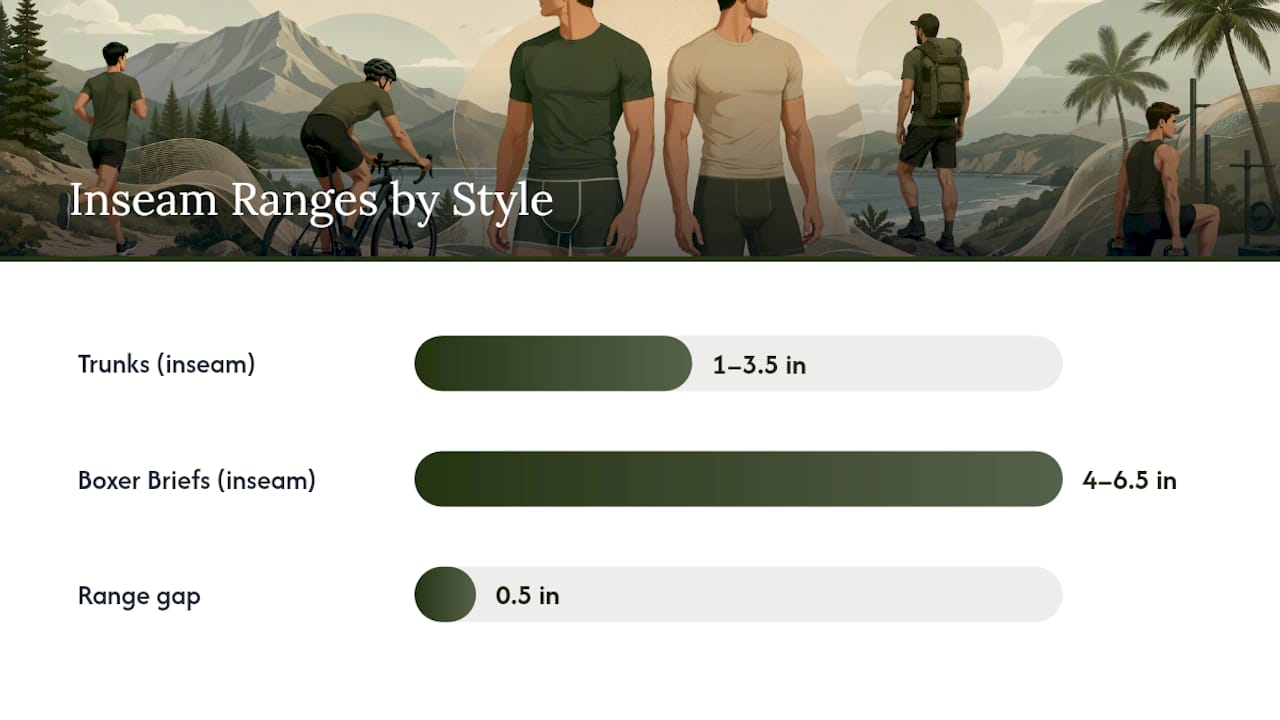
There’s no industry regulator standardizing these definitions, which is why one brand’s “trunk” looks like another brand’s short boxer brief. That said, most retailers cluster around similar ranges. Trunks generally sit at a 1 to 3.5 inch inseam, while boxer briefs run longer, typically 4 to 6.5 inches. A brand might label something a “trunk” at 4 inches and call it a day, so treat the style name as a starting point, not a guarantee.
Inseam length drives three things you’ll actually feel and see:
- Rise and waistband placement. Trunks tend to sit at a slightly lower, more relaxed rise; boxer briefs often come with a mid rise that stays put during movement.
- Leg opening width. Shorter trunks usually have a tighter, higher-cut leg opening; boxer briefs taper more gradually down the thigh.
- Silhouette. Trunks create a squarer, boxier shape on the body, while mid-length boxer briefs read as more rectangular, following the leg further down.
That silhouette difference matters more than people expect once clothing enters the picture. Under slim chinos or fitted dress pants, a boxer brief’s longer leg can sometimes peek out or create a visible line at the thigh, especially with lighter fabrics. Trunks stay tucked entirely under the hem. Under gym shorts or looser denim, that concern disappears, which is exactly why boxer briefs dominate the athletic underwear market despite the extra fabric.
Which Fit Works for Your Build and Your Day
Body type and daily movement matter more here than most buying guides admit. A cut that looks great on a lean, average-height guy can bunch or ride up on someone built differently.
- Thick thighs or muscular legs. Boxer briefs, particularly ones with a longer inseam, prevent the fabric from rolling or riding up between the legs during walking or squatting. Trunks on a muscular thigh can cut in and leave a visible line.
- Slim or lean builds. Trunks work well here since there’s less excess fabric to bunch, and the squarer cut sits close without gapping at the leg.
- Taller frames. A slightly longer boxer brief inseam balances proportions better than a trunk cut short enough to look disconnected from a longer torso.
- Stockier or shorter frames. Trunks avoid the “extra fabric pooling at the knee” problem that can happen when a boxer brief’s leg length isn’t quite matched to a shorter inseam.
- Desk jobs and everyday wear. Either works, but trunks tend to feel less restrictive when you’re sitting for eight hours since there’s less material bunching at the hip crease.
- Running, cycling, or gym sessions. Boxer briefs win here almost every time. The added leg coverage reduces skin-on-skin contact at the inner thigh, which is where most chafing starts.
- Formalwear or fitted suiting. Trunks are the safer bet under slim-cut trousers where you don’t want any hint of a longer leg showing through.
The common thread: more coverage means more stability during movement but a higher chance of visibility under tight clothing. Less coverage means a cleaner silhouette but less protection when you’re active.
Fabric Changes the Whole Equation
The cut only tells half the story. Fabric decides whether that cut actually feels good against your skin for ten hours straight.
Cotton breathes reasonably well but holds moisture once you sweat, which is exactly the combination that causes problems. Chafing happens when friction and moisture combine, and the Cleveland Clinic specifically recommends moisture-wicking fabrics and reduced friction as prevention. That’s not a small detail. It’s the entire reason performance fabric exists.
- Cotton: Soft and familiar, but slow to dry and prone to trapping heat during activity.
- Modal and bamboo: Naturally breathable, exceptionally soft, and good at regulating temperature, which makes them well suited to sleep and hot-weather wear.
- Mesh and technical blends: Built for fast moisture-wicking and quick drying, ideal for workouts or long days when you’re on your feet.
Pair a longer boxer brief cut with a moisture-wicking mesh, and you get the coverage that prevents chafing plus a fabric that keeps sweat from sitting on your skin in the first place. That combination matters more in July than it does in January.
What to Check Before You Buy
Most underwear disappointments come down to skipping the fine print on a product page. A five-minute check saves you from a drawer full of underwear you don’t reach for.
Run through this before adding anything to your cart:
- Exact inseam length, not just the style name on the label.
- Fabric percentage breakdown, since a “cotton blend” with 5% elastane behaves very differently than one with 3%.
- Waistband construction, checking whether it’s a wide knit band or a thinner elastic that might roll.
- Pouch style, since a contoured pouch fits differently than a flat front.
- Return policy, because sizing runs differently across brands and you won’t know your true fit until you wear a pair for a full day.
If you’re between sizes, size up in the waist rather than the leg. A tight waistband is the fastest way to make even a well-cut pair uncomfortable by noon.
Pro Tip: Order one of each cut in your usual size before committing to a multipack. The five extra minutes trying them on beats returning eight pairs you bought in bulk.
When in doubt, the decision heuristic is simple: choose boxer briefs when chafe prevention or activity matters more than silhouette, and choose trunks when a clean line under fitted clothing matters more than extra coverage.
Where Breevar Fits Into This Decision
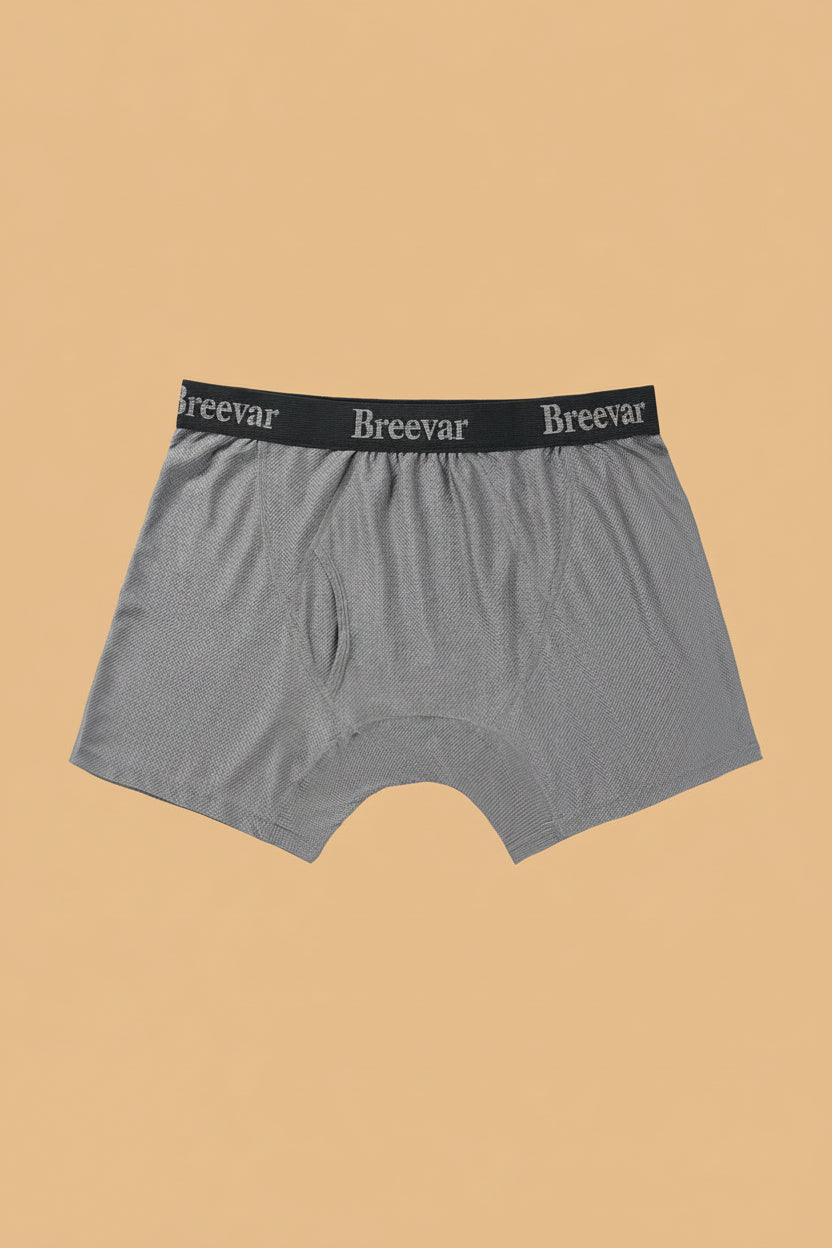
Breevar builds toward the exact tradeoffs covered above rather than picking one cut and calling it universal. The Men’s Mesh Performance Quick Dry Boxer Brief uses a wicking mesh built for workouts, long commutes, or anyone who runs hot during the day. The Bamboo Men’s Boxer Brief leans into softness and temperature regulation, which makes it a better match for sleep or humid climates where you want breathability without synthetic feel.
- Active days: the mesh performance boxer brief, for its quick-dry construction.
- Sleep and hot-weather comfort: the bamboo boxer brief, for its natural-fiber breathability.
- Everyday rotation: the 3-Pack Men’s Mesh Performance Quick Dry Boxer Briefs, for cost-per-pair value without sacrificing the same wicking fabric.
Each option may tie back to a real use case rather than a marketing claim, which reflects the standard this comparison has been built around.
Natural Fiber or Technical Fabric: My Take
Most guides push you toward one camp: natural fibers for comfort purists, technical fabric for performance chasers. That split doesn’t hold up once you actually live in the underwear. Bamboo and modal earn their reputation for softness and temperature regulation, especially overnight, but a hard training session still favors a technical mesh built to move moisture fast. The honest answer is to own both and match the fabric to the day, not the brand loyalty. Longevity depends more on washing habits and fabric quality than on cotton versus synthetic debates.
— Jason
Try the Cut That Matches Your Day
You’ve seen the tradeoffs: trunks for a cleaner line under fitted clothes, boxer briefs for coverage and chafe protection when you’re moving all day. Some brands build their lineups around exactly that split, using bamboo and mesh instead of standard cotton so the fabric performs well whether you’re asleep or mid-workout.
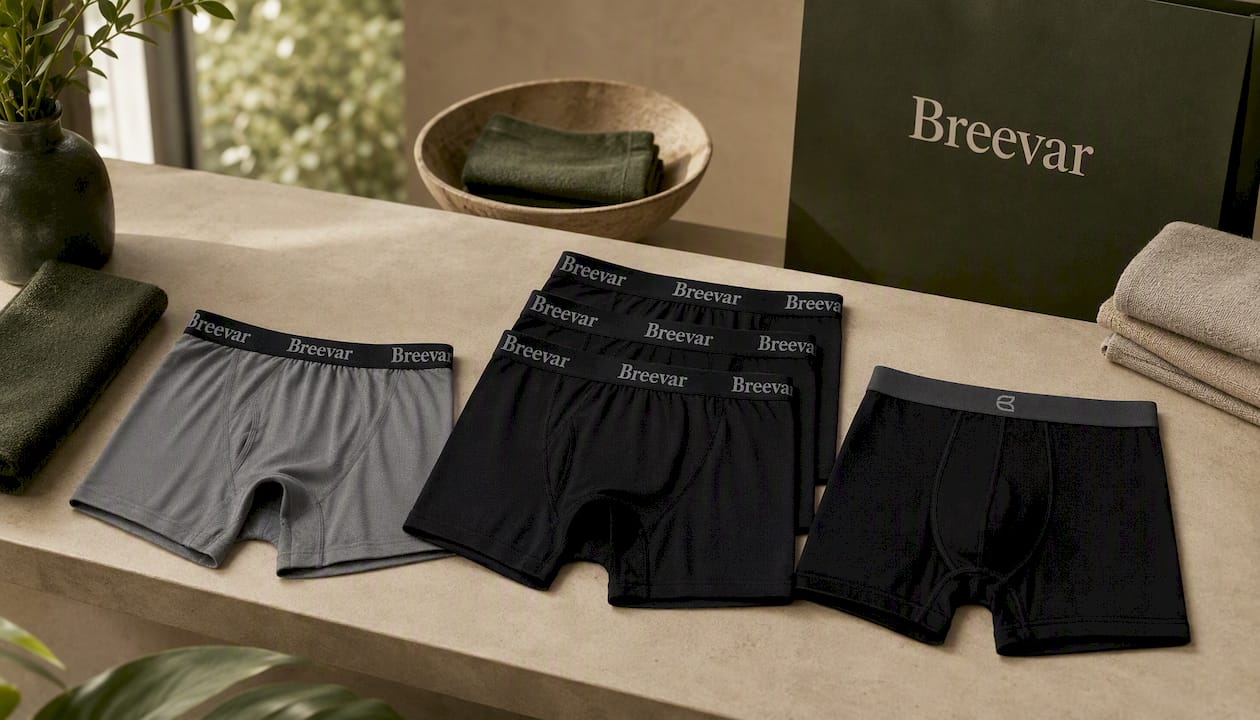
If chafing or overheating during exercise is your main complaint, start with the Men’s Mesh Performance Quick Dry Boxer Brief. If sleep comfort or hot-weather breathability tops your list, the Bamboo Men’s Boxer Brief fits that role. Restocking your everyday drawer is cheaper per pair with the 3-Pack Men’s Mesh Performance Quick Dry Boxer Briefs, and every purchase supports Breevar’s climate action partnerships. Pick the one that matches tomorrow’s schedule and add it to your cart.
Sources
- Cleveland Clinic — Chafing
- MensUnderwearGuide — Men’s boxer briefs and trunks: the ultimate how-to-buy guide
- Tommy John — Mid-length boxer brief vs. trunks: Which do you need?
FAQ
Which Is Better, Trunks or Boxer Briefs?
Neither wins outright. Trunks fit better under slim clothing thanks to their shorter, squarer cut, while boxer briefs offer more thigh coverage and better chafe protection during activity.
Are Men’s Trunks the Same as Boxer Briefs?
No. Trunks are a shorter version of the same basic silhouette, typically running a 1 to 3.5 inch inseam versus 4 to 6.5 inches for boxer briefs, which changes fit, coverage, and how they show under clothing.
Do Women Prefer Trunks or Boxer Briefs?
Preference is subjective and varies by person, though some informal surveys suggest a lean toward boxer briefs for their fit and coverage. Treat this as anecdotal rather than a rule to shop by.
What Do the British Call a Bra?
In British English, the word “bra” is used the same way as in American English. It’s short for “brassiere,” a term common to both dialects.
Do Boxer Briefs Help With Chafing During Exercise?
Yes. The longer inseam reduces skin-on-skin contact at the inner thigh, and pairing that coverage with a moisture-wicking fabric addresses the friction-plus-moisture combination that causes chafing in the first place.


Leave a comment