

Eco-Friendly Underwear Durability: What Makes It Last
Eco-friendly underwear lasts as long as its construction and care allow, and fiber is only one of three factors. Seams, waistband elastic and fabric weight decide how it holds up, and so does how you wash it. A well-made pair in hemp, linen, modal or another natural fiber, washed cold and dried gently, can sit in your drawer for years. At Breevar we make natural-fiber underwear, sleepwear and socks, and this guide gives you the checks we would run on any pair, ours included.
TL;DR
- US shoppers say they wear underwear for 5 to 5.5 years on average before it is worn out or no longer worn. A good pair should aim for that range.
- Shoppers rank construction quality (78%) ahead of laundering (70%) and fiber content (68%) as what makes clothing last. Check stitching and elastic before you read the fiber tag.
- Waistband elastic is usually the first part to go, so look for flat seams, dense stitching and a waistband that is neither rolling nor stiff.
- Cold water and air drying are the care habits shoppers use most to extend clothing life, and they protect natural fibers too.
- Labels matter: viscose made from bamboo has to be named as such under US rules, so read the fiber content line, not the marketing name.
Table of Contents
- How long underwear should last
- The three things that decide durability
- How natural fibers hold up
- A shopping checklist for durable eco-friendly underwear
- Washing and drying: the cheapest way to add years
- If you sweat at night, durability and breathability go together
- Our view on durable underwear
- Find a pair built for your drawer
- FAQ
- Sources
How long underwear should last
The best benchmark we have is what US shoppers actually do. Cotton Incorporated’s 2026 US Durability Survey, which asked 1,017 consumers in 2025, found that people wear underwear an average of 5 to 5.5 years before they consider it worn out or stop wearing it regularly. That is the same range as athletic shirts and bottoms.
So “durable” does not mean forever. It means a pair that is still comfortable and intact several years in, after hundreds of wears and washes. If you rotate seven pairs, each one is worn about once a week, so five years is roughly 250 wears per pair, plus the same number of washes. Any fabric that survives that has to be well made.
The same survey shows why pairs leave the drawer. The top reasons shoppers stop wearing a garment are:
- It no longer fits (49%)
- Persistent odor (44%)
- Persistent stains (41%)
- Holes or split seams (41%)
Two of those four are about wear and tear, and two are about how a garment is cared for. That is useful: you control more of your underwear’s lifespan than the brand does. For a deeper look at replacement timing, our guide to how often you should replace underwear walks through the signs.
The three things that decide durability
In the same survey, shoppers named construction quality (78%), laundering methods (70%) and fiber content (68%) as the top contributors to clothing longevity. Fiber comes third. That ordering is a good way to shop.

1. Construction
Construction is where a pair of underwear is made or lost. Look at:
- Seams. Flat, flatlock seams sit against the skin without ridges. A manufacturer’s spec guide from Unitex calls for flatlock gusset seams and 10 to 12 stitches per inch on knit fabric. More stitches per inch generally means a tighter seam that is less likely to split.
- Seamless or low-seam design. Fewer seams mean fewer places to fail and less chafing. Our underwear uses seamless anti-chafe construction for this reason.
- Leg and waist finishing. The edges take the most stretching and rubbing. Look for neat, even finishing with no loose threads.
2. Fabric structure, not just fiber name
Two tags that read the same can perform very differently. The WRAP Sustainable Clothing Guide explains that durability depends on fiber type, blends, yarn structure and construction. In its words for cotton, longer fibers make a stronger yarn with less pilling (the small fuzzy balls that form on worn fabric), and a higher yarn twist improves both strength and pilling resistance.
The practical lesson is that a label is a starting point. Hand feel, fabric weight and how the cloth springs back when you stretch it tell you more than a fiber name alone.
3. Elastic
Elastic is the part most likely to give out first. The Unitex guide puts waistband elastic life at 30 to 50 washes, and notes that narrow elastic can roll while stiff elastic can dig in. Heat speeds that up, which is the main reason hot dryers are hard on underwear.

The same guide sets shrinkage limits of no more than 5% in length and 4% in width after three washes. A pair that shrinks a lot after a few washes will stretch at the seams and lose its fit, and fit is the number one reason shoppers retire underwear.
How natural fibers hold up
You have more choices than cotton. Here is how the fibers we work with compare for someone who wants durability and breathability together.
| Fiber | Why shoppers choose it | Care that protects it |
|---|---|---|
| Hemp | Sturdy, breathable, moisture-wicking, softens with washing | Wash gently and avoid high heat to limit shrinkage |
| Linen | Airy and cool, good for warm sleepers | Wash cool, dry low or air dry |
| Modal | Smooth, soft, drapes well | Cold water, low heat |
| Bamboo viscose | Silky hand feel, soft against skin | Cold water, gentle cycle |
We have written full care guides for two of these: how to wash hemp clothing to keep its fit, and washing modal underwear in cold water with low heat.
If you are choosing between fibers for everyday wear, our comparison of modal and bamboo underwear and our underwear fabric guide lay out the trade-offs in more detail.
Read the label the way US law writes it
In the US, the Federal Trade Commission requires fibers to be labeled and advertised in set terms. Textiles can only be called bamboo if they are made directly from bamboo fiber, and rayon or viscose made from bamboo has to be labeled as “rayon (or viscose) made from bamboo.” For you as a shopper, that means the fiber content line on the tag, not the product name, tells you what you are buying. The same goes for any “eco” claim: look for the actual fiber, the blend percentages and the care instructions.
A shopping checklist for durable eco-friendly underwear
Use this whenever you are choosing a pair, in a store or online.
- Read the fiber content line. Note the natural fiber and any elastane. A small share of stretch fiber helps shape recovery, and the percentage should be listed.
- Check the seams. Look for flat seams or a seamless build, and no visible skipped stitches.
- Feel the waistband. It should stretch and return. Avoid a band that is so narrow it rolls or so stiff it digs in.
- Weigh the fabric. A fabric that feels thin and see-through when stretched will wear through sooner at the seat and gusset.
- Look at the care label. Cold wash and low heat or air dry are normal for natural fibers. If you cannot see yourself following the instructions, the pair will not last for you.
- Buy for your rotation. More pairs in rotation means each one is worn and washed less often. A small drawer of well-made pairs beats a large drawer of cheap ones. Our guide to building a small underwear drawer that lasts shows how.
There is a money side to this too. Cotton Incorporated found that when clothing lasts less than six months, 52% of US consumers stop buying the brand. Underwear that fails early costs you the pair and the trust. For budget-conscious shoppers, cost per wear is the number to watch: a pair that lasts five years across about 250 wears costs a fraction of a cent more per wear for every extra dollar you spend upfront, and a lot less than replacing it every year.
Washing and drying: the cheapest way to add years
Laundering was named by 70% of shoppers as a factor in how long clothing lasts. The most common habits they report for extending clothing life are washing cold (49%), hang drying (38%), washing on delicate (33%) and treating stains (32%). These work for natural-fiber underwear too, and each one protects a specific weak point.
- Wash cold. Cold water is gentler on fibers and elastic and lowers shrinkage.
- Use a gentle cycle and a mesh bag. This limits rubbing, which is what wears seams and edges.
- Skip fabric softener. Softener can coat fibers and elastic. Mild detergent is enough.
- Air dry or use low heat. Heat is hard on elastic. Flat or hang drying keeps the waistband springy.
- Treat stains early. Persistent stains are the third most common reason people stop wearing a pair.
- Wash after each wear. Persistent odor ends the life of many pairs, so regular washing helps them last.
For more on laundry habits that suit organic fibers, see this guide to washing organic cotton and keeping it looking good. For hemp, linen and modal, our own care guides above cover the specifics.
If you sweat at night, durability and breathability go together
People who overheat in bed wash their sleepwear and underwear often. Frequent washing is what tests a fabric, so a fabric that breathes and also holds up matters twice. Natural fibers like hemp and linen are moisture-wicking and airy, which helps your body regulate its temperature, and washing them cold keeps them in good shape through frequent cycles. Our guide to eco-friendly sleepwear fabrics explains which ones sleep coolest.
Our view on durable underwear
We make underwear, sleepwear and socks from natural materials like hemp, linen and modal, and we think about durability as part of sustainability. The greenest pair is the one you keep wearing, so we pay attention to comfort, breathability and construction together, including seamless, anti-chafe builds.
Natural fibers feel good because they breathe and wick moisture. When a pair feels good, you reach for it, and when it is cared for well, it stays in your rotation. That is why we put so much into care guides: cold water, low heat and air drying are small habits with a big effect on how long a pair lasts.
Every purchase at Breevar also supports nonprofit initiatives focused on climate action and social responsibility. A durable pair that you wear for years makes that contribution worth more, because you are not buying and discarding the same thing again and again.
Jason
Find a pair built for your drawer
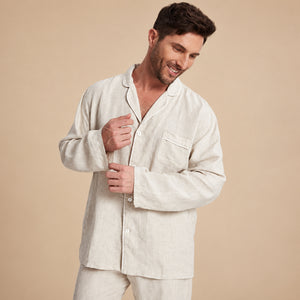
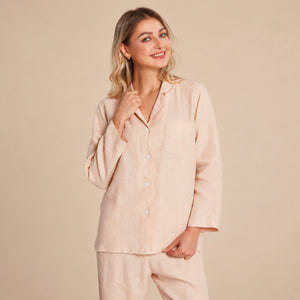
If you want to put this checklist to work, start with our underwear collection, which includes the 3-pack bamboo men’s boxer brief and a 6-pack for building a rotation. For sleep, browse our hemp sleepwear and linen sleepwear. Buying for someone else? We offer curated gift sets and a text monogram option, so the gift can be personal as well as sustainable.

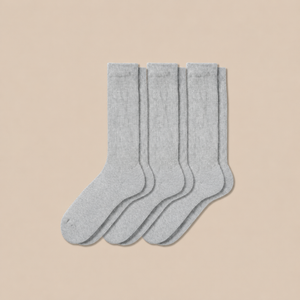
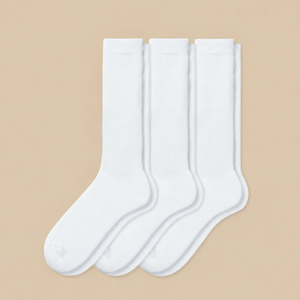
Our socks are made from natural, breathable materials too, so you can match your drawer from the feet up.
FAQ
How long should eco-friendly underwear last?
US shoppers report wearing underwear for 5 to 5.5 years on average before it is worn out or no longer worn regularly. A well-made pair with flat seams, a good waistband and gentle care can aim for that range. Rotating several pairs helps each one last.
What wears out first in underwear?
Usually the waistband elastic. One manufacturer spec guide puts waistband elastic life at 30 to 50 washes, and heat from the dryer speeds it up. Cold washing and air drying are the easiest ways to slow that down.
Can bamboo underwear be called bamboo?
Only if it is made directly from bamboo fiber. The FTC says viscose or rayon made from bamboo must be labeled as such, for example “viscose made from bamboo.” Read the fiber content line on the tag to know what you are getting.
Should I wash underwear in cold water?
Yes. Cold water is the most common habit shoppers use to extend clothing life, reported by 49% of US consumers. It is gentler on natural fibers and elastic, and it helps limit shrinkage. Pair it with a gentle cycle and low-heat or air drying.
Is durable underwear worth paying more for?
For most people, yes, if you measure cost per wear. A pair worn about 250 times over five years costs less per wear than a cheaper pair replaced every year or two. Shoppers also say they leave brands whose clothing lasts under six months, so early failure costs you the pair and the confidence.
Sources
- Cotton Incorporated, Durability Survey 2026 – US
- WRAP, Sustainable Clothing Guide (2017)
- Unitex, Underwear Fabric & Construction Spec Guide
- FTC, Bamboo Textiles


Leave a comment