

Hemp Boxer Briefs Benefits: What the Evidence Supports
Hemp boxer briefs are worth wearing for four reasons: the fiber breathes, it handles moisture, it outlasts most cotton, and it takes far less water to grow. If you run warm, sweat at night or want underwear you replace less often, hemp is one of the most sensible natural fibers to choose. Our underwear collection is built around breathable natural fibers for this reason, and below you will find what each benefit rests on, so you can judge a pair by the fabric and not by the label.
TL;DR
- Hemp’s porous, hollow fiber structure supports airflow and temperature regulation, which is why it suits warm sleepers and long days.
- Hemp is higher in cellulose and lower in lignin than cotton, which one analysis ties to better strength and wear resistance.
- A six-week wear trial of hemp clothing found it safe for skin, with no redness or irritation.
- Growing hemp takes less than a third of the water that cotton needs per kilogram of fabric.
- Fiber content and construction matter more than the cut: look for a real hemp share, a soft waistband and flat seams.
Table of Contents
- Why hemp suits underwear in the first place
- Benefit 1: Breathability and temperature comfort
- Benefit 2: Moisture handling and odor
- Benefit 3: Durability that lowers cost per wear
- Benefit 4: Skin comfort
- Benefit 5: A lighter footprint
- How to choose a good pair
- Our view on hemp underwear
- Where to start with Breevar
- FAQ
- Sources
Why hemp suits underwear in the first place
Underwear sits against the skin for 16 hours or more, in the warmest, least ventilated part of your outfit. That makes fabric the main comfort decision. A cut can hold you in place, but only the fiber decides whether heat and moisture stay trapped.
Hemp is a bast fiber, which means it comes from the stalk of the plant, and the fibers are long and strong. A 2024 academic review of hemp from field to fiber (Mariz et al., MDPI) describes breathability that helps regulate temperature, along with durability and longevity that make hemp a preferred choice for people who want quality with a lower environmental footprint. Those are the same two traits a pair of boxer briefs needs: comfort in the moment and survival through years of washing.
A boxer brief is a hybrid cut. It has the longer leg of a boxer, which prevents thigh chafing, and the closer fit of a brief, which keeps everything supported. A doctor quoted by HuffPost in 2025 describes boxer briefs as combining the support of briefs with the freedom of movement of boxers, though most designs fit closely like briefs. That is why fabric matters even more here: a snug cut leaves less room for air, so a fiber that breathes does more of the work.

Benefit 1: Breathability and temperature comfort
The most common reason people switch is heat. Medical experts interviewed by the New York Post in 2024 say air circulates better through natural fabrics such as cotton, hemp, bamboo and linen than through synthetics like polyester, nylon and satin. Synthetics tend to hold warmth and dampness against the skin, which is what you feel as that sticky, overheated sensation.
What makes hemp different from many other fibers is its structure. AZoM’s 2025 analysis of hemp versus cotton explains that hemp’s porous, hollow fiber promotes air circulation and thermoregulation. Air moves through the fabric instead of being sealed in, and heat escapes more easily.
What this means if you overheat at night
Night sweats have many possible causes, and persistent drenching sweats are a reason to see your doctor. For the ordinary version, where you simply sleep hot, the fabric against your skin is something you control. Breathable natural fibers let heat and moisture leave instead of building up under the sheets. We cover the sleep side in more depth in our comparison of hemp and cotton pajamas, and our piece on boxers versus briefs and sweating explains why the fabric matters more than the style.
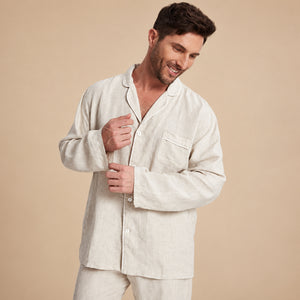
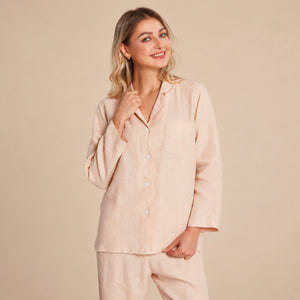
If you want underwear and sleepwear that work together, pairing hemp underwear with hemp sleepwear keeps the whole layer system breathable, from skin to sheets.
Benefit 2: Moisture handling and odor
Sweat is not only about temperature. It is about where the moisture goes. A fabric that absorbs moisture and releases it quickly feels drier than one that holds it.
The AZoM analysis attributes hemp’s behavior to its structure and describes inherent antimicrobial freshness that suits sensitive skin. In practice, that means hemp underwear tends to stay fresher through a long day than fibers that trap dampness. Hemp is also widely described as naturally resistant to odor, which is one reason it appears so often in socks and base layers.
For a closer look at how the main natural options compare on moisture, our guide to summer underwear fabrics walks through what actually keeps you cool, and our article on whether modal is breathable covers the soft, silky alternative that we also offer.
Benefit 3: Durability that lowers cost per wear
Underwear is a purchase you repeat. If a pair lasts twice as long, you buy half as many, which matters for a budget as much as for the planet.
According to the AZoM article, hemp contains 55 to 72 percent cellulose and only 2 to 5 percent lignin. Cellulose is the strong, flexible part of the fiber, and that composition raises tensile strength and water resistance. The same article reports that hemp resists pilling and wear, can last up to twice as long as cotton garments, and that, unlike cotton, which degrades with each wash, hemp stabilizes after its first wash and then softens without losing strength.
The National Hemp Association’s underwear guide agrees on the basics: hemp has some of the longest, strongest natural fibers in the world. Our own write-up on hemp underwear benefits goes through the durability case in more detail.

A simple cost-per-wear example
Suppose a pair of cotton boxer briefs lasts 100 wears before it thins, stretches or tears. If a hemp pair lasts up to twice as long, as the analysis above suggests is possible, that is 200 wears. At the same sticker price, the cost per wear is cut in half. If the hemp pair costs more up front, the gap narrows over time. Run the numbers with your own prices and your own replacement habits.
Benefit 4: Skin comfort
Nothing sits closer to sensitive skin than underwear, so skin response matters. A peer-reviewed study in MDPI Materials by Zimniewska and colleagues had 15 volunteers wear hemp clothing for six weeks. The garments in that trial were treated with a CBD extract, so the findings apply to that specific clothing, but the results are encouraging for hemp as a skin-contact fabric. The garments were safe, caused no skin redness or irritation, increased the hydration of the skin’s outer layer and reduced transepidermal water loss, a measure that points to better skin barrier function. Most volunteers described the clothing as pleasant, thermally neutral and non-irritating.
For anyone with sensitive skin or who deals with chafing, construction adds to the fiber. Seamless, anti-chafe construction removes the ridges that rub, and a soft waistband avoids the red line that tight elastic leaves. Both are as important as the fiber itself.
Benefit 5: A lighter footprint
For eco-conscious buyers, this is often the deciding factor. The AZoM analysis reports that cotton needs about 10,000 liters of water to produce one kilogram of fabric, roughly 2,500 liters for a single 250-gram T-shirt, while hemp requires 2,719 liters per kilogram, less than a third. It also notes a shorter 70 to 120 day maturation period and deep roots that reach subsoil moisture.
The National Hemp Association adds that hemp enriches the soil it grows in and, unlike linen, does not require herbicides. Those are advocacy-group claims, and they line up with the agricultural picture the academic review describes.
Here is a quick comparison of how the common underwear fibers stack up on what we have covered.
| Fiber | Airflow | Wear life | Water to grow | Notes |
|---|---|---|---|---|
| Hemp | High, porous hollow fiber | Up to twice cotton’s, per AZoM | About 2,719 L per kg | Softens after the first wash |
| Cotton | Good | Degrades with washing, per AZoM | About 10,000 L per kg | Familiar and widely available |
| Polyester or nylon | Lower than natural fibers, per medical experts | Strong | Not a plant crop | Can hold heat and dampness |
Our hemp versus cotton comparison goes deeper on this trade-off.
How to choose a good pair
The benefits above belong to the fiber. A pair only delivers them if the blend and the build are right. Use this checklist.
- Check the fiber content. Look for a clear percentage of hemp on the label. Hemp is often blended with other fibers for stretch, because hemp has very little elasticity of its own. A blend that keeps hemp as a main fiber keeps the breathability while adding the give a boxer brief needs.
- Look at the seams. Flat or seamless construction prevents chafing along the inner thigh, the most common complaint with a longer leg.
- Feel the waistband. It should be soft and hold without digging in. Elastic that is too tight cancels out the comfort of any fiber.
- Expect a break-in. Hemp softens through the first washes and keeps softening, so judge it after a few cycles and not only out of the package.
- Pick the right size. Boxer briefs should fit close without compressing. Between sizes, choose the one that lets you sit and move freely.
- Wash gently. Cool or warm water and a normal cycle keep the fiber strong over the years.
Our view on hemp underwear
We started with a simple observation: the layer closest to your skin decides how you feel all day and how you sleep all night. Synthetic and heavily treated fabrics trap heat, and that is the reason so many people wake up overheated.
That is why we work with natural fibers such as hemp, linen and modal, and why our fabrics are chosen for moisture-wicking comfort. Hemp earns its place because the research is consistent on the points that matter: it breathes, it lasts, and it is kind to skin.
We also think what you wear should leave a good mark. Every purchase supports nonprofit initiatives focused on climate action and social responsibility, so comfort and conscience come in the same pair.
If you are starting out, begin with the pieces you wear the most, underwear and socks, and add sleepwear once you feel the difference.
Jason
Where to start with Breevar
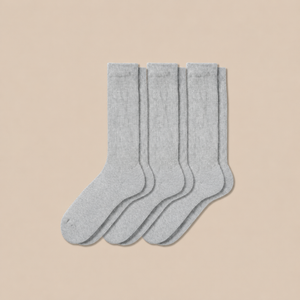
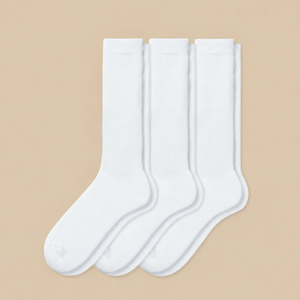
If you are ready to try hemp, our underwear collection is the place to begin. We make eco-friendly underwear, socks and sleepwear for men and women from natural, breathable materials, with moisture-wicking fabrics and seamless anti-chafe construction. Our hemp socks are a good first step for anyone who wants to feel the fiber before committing to a full drawer.

Buying for someone else? We offer curated gift sets and text monogram personalization, so a gift can carry initials. Every purchase supports nonprofit climate and social initiatives, which makes it an easy gift to feel good about. You can also buy on subscription so the pieces you wear most are always on hand.
FAQ
What are boxer briefs good for?
Boxer briefs combine the support of briefs with the longer leg of boxers. The longer leg helps prevent thigh chafing, and the closer fit keeps everything in place during exercise, travel and long workdays. Pairing the cut with a breathable fiber such as hemp keeps the fit from feeling hot.
Is hemp clothing healthy to wear?
A six-week wear trial of hemp clothing with 15 volunteers found it safe, with no skin redness or irritation and improved skin hydration and barrier function. Hemp is also a natural, breathable fiber, which medical experts say circulates air better than synthetics. If you have a skin condition, ask your dermatologist which fabrics suit you best.
Are hemp garments durable?
Yes. Hemp’s high cellulose and low lignin content give it strength, and it resists pilling and wear. One analysis says hemp can last up to twice as long as cotton with proper care. It also softens through the first washes without losing strength.
Which is better for daily use, boxers or briefs?
It depends on how you move and how warm you run. Briefs offer more support, boxers offer more airflow, and boxer briefs sit in between. Whichever cut you pick, the fabric matters most for staying cool and dry, which is why we recommend a breathable natural fiber.
Sources
- Hemp: From Field to Fiber—A Review (MDPI, 2024)
- Is Hemp Fabric Better Than Cotton? (AZoM, 2025)
- Bioactive Hemp Clothing Modified with Cannabidiol (MDPI Materials, 2021)
- Best And Worst Types Of Underwear For Your Health (HuffPost, 2025)
- Best and worst underwear for your health: medical experts (New York Post, 2024)
- What Underwear Should I Wear? (National Hemp Association, 2021)


Leave a comment