


Sustainable Laundry for Delicates: A Low-Impact Routine
The most sustainable way to wash delicates is to wash them only when they need it, in cool water, with a gentle certified detergent, and then let them air dry. That routine saves water and energy, and it keeps fibers intact so you replace things less often, which is the biggest saving of all. It also works best on garments made from natural fibers that stay fresh and breathe, like the hemp, linen and modal we make our sleepwear, underwear and socks from.
Below is the full routine, with the numbers behind it and the places where it usually goes wrong.
TL;DR
- Wash less: underwear and bras are not the same as pajamas or linen, and the American Cleaning Institute gives wear counts for each.
- Go cold: about 90% of a washer’s energy goes to heating water, so cold and short delicate cycles do most of the work.
- Pick a detergent with a third-party certification and no fragrance, then use less of it.
- Hand-wash or use a mesh bag on the delicate cycle, and air dry flat or on a rack.
- Care well and the garment lasts longer, which is greener than any laundry product.
Table of Contents
- Start with the label, not the detergent
- Wash less often, because it is the biggest lever
- Hand-wash or machine-wash?
- Cold water does the heavy lifting
- Choosing a detergent for delicates
- What about castile soap, vinegar and soap nuts?
- Drying: the quiet energy saver
- Cut microplastics and keep fibers going longer
- Our view on delicates and sustainability
- Pieces built for this routine
- A weekly routine you can actually keep
- FAQ
- Sources
Start with the label, not the detergent
What makes a garment “delicate” is not just a fancy fabric. According to textile-care experts quoted by The Guardian, how a piece reacts to water depends on its fiber, construction, dye, finishes, hardware and lining. A thin lace trim, an elastic waistband or a bright dye can make an otherwise sturdy item fragile.
The care label sets your limits. A few quick readings:
- A tub with a hand in it means hand-wash. A crossed-out tub means do not wash it in water at all.
- A number in the tub is the maximum water temperature in degrees Celsius. 30°C is about 86°F, which is a cool wash.
- A square with a circle and a cross means no tumble drying.
The same Guardian piece notes that cotton, linen and polyester blends can generally be hand-washed unless they have a chemical finish, while silk chiffon is best left to a dry cleaner. Wool and cashmere should only be hand-washed with a pH-neutral, wool-specific detergent, or they can felt (shrink and mat).
Wash less often, because it is the biggest lever
Every wash uses water, energy and detergent, and every wash wears the fabric a little. The cheapest sustainable step is to skip washes you do not need.
The American Cleaning Institute, an industry association for cleaning products, suggests wearing bras two to three times before washing and pajamas three to four times. Silks and whites should be cleaned after every wear. It adds that what you did in the item, the fabric and even the weather decide the real answer, so use these as a starting point and trust your nose.
A few habits that stretch the time between washes:
- Air items out on a hanger or rack after wearing instead of tossing them in the hamper.
- Treat stains right away. The American Cleaning Institute points out that prompt stain treatment extends garment life, which is greener because you replace the item less often.
- Wear a light layer between skin and outer garments. Earth Day’s care toolkit recommends this so shirts can go longer between washes.
Underwear is the exception to “wash less.” Anything worn directly against skin and worn for a full day goes in the hamper after one wear. The place to save is the how, not the how often.
If you collect older pieces, the same logic of gentle handling and proper storage applies. Storing vintage garments for lasting preservation covers how to keep fabrics in good shape between wears.
Hand-wash or machine-wash?
Both can be sustainable. The right choice depends on the garment.
When to hand-wash
Hand-washing suits anything with underwire, boning, lace, or elastic that you want to keep snapping back. Dreft recommends it whenever possible, in a clean sink or tub with cool or tepid water and a gentle detergent. It also saves water: the National Park Service reports that the average residential washer uses about 41 gallons per load, and a sink of water is a small fraction of that.
A simple method:
- Fill a clean basin with cool water and a small amount of gentle detergent.
- Swish the items for two to three minutes. Do not scrub.
- Let them soak for 10 minutes or so, then drain and rinse with clean cool water until the suds are gone.
- Press the water out, never wring. Roll the item in a towel and press.
- Lay it flat or hang it on a rack.
When to machine-wash
Most knit underwear, sleepwear and socks can go in a machine if you choose the right setting. Use the Delicate or Hand Wash cycle and put small items in a mesh laundry bag, since a normal cycle’s heavier agitation can stretch or snag delicate fabric (Dreft). The Spruce quotes a cleaning-company CEO explaining that the delicate cycle runs with less agitation, slower spins and shorter times, often with cooler water, which is easier on fabric and on your energy bill.

Two rules that apply either way: run a full load of delicates when you can, and keep structured, wired items out of the machine.
Quick comparison
| Hand-wash | Delicate cycle with mesh bag | |
|---|---|---|
| Best for | Wired bras, lace, wool, silk, anything the label flags | Knit underwear, sleepwear, socks, linen and hemp pieces |
| Water | A basin | A machine load (about 41 gallons on an average washer) |
| Fabric wear | Lowest | Low, if the bag and setting are right |
| Time | 15 to 20 minutes of attention | Hands-off |
Cold water does the heavy lifting
Heat is where laundry gets expensive. Earth Day’s toolkit says about 90% of a washing machine’s energy goes to heating the water, and cites a Sierra Club finding that switching to cold-water washing could keep roughly 1,600 pounds of CO2 out of the air per household each year. It also says hot-cycle washing uses 75% more energy than cold.

Cold is also what most delicates want. Heat sets some stains, fades dyes and can shrink natural fibers. Cool water with a short cycle and a good detergent cleans everyday sweat and oils well.
If you want the details for specific fibers, we have written them up: how to wash modal underwear with cold water and low heat, how to keep linen pajamas cool and soft and how to wash hemp clothing to preserve fit.
Choosing a detergent for delicates
“Eco-friendly” is a marketing word. Certifications are a better guide. San Francisco’s Department of the Environment advises choosing detergents certified by EPA Safer Choice, Green Seal or UL/EcoLogo, and avoiding products with fragrance or phthalates (chemicals often used to carry scent).
There is a health reason too. The National Park Service notes that scented liquid detergent and dryer sheets contain hazardous chemicals and release volatile organic compounds, two of which the EPA classifies as carcinogens. If you have sensitive skin or sweat at night, unscented is the practical choice for anything you sleep in or wear close to the body.
A checklist for the label:
- A Safer Choice, Green Seal or UL/EcoLogo mark.
- “Free and clear” or fragrance-free.
- Low-sudsing if you own a high-efficiency (HE) machine. The NPS recommends HE-labeled detergent for those machines.
- A pH-neutral, wool-safe formula if you wash wool or silk.
Then use less. Earth Day’s toolkit suggests half the prescribed amount of detergent, with half a cup of baking soda added. Excess detergent leaves residue that stiffens fabric and takes more rinse water to remove.
What about castile soap, vinegar and soap nuts?
These are the most common natural swaps, and they have limits.
- Castile soap. The Spruce reports it is gentle enough for silk, wool and cashmere, at one-third to half a cup per load.
- Vinegar. Half a cup in the rinse cuts detergent residue. The Spruce advises not mixing it directly with castile soap, because the different pH levels make the soap curdle. Earth Day’s toolkit also suggests half a cup of vinegar in place of chlorine bleach in the final rinse.
- Soap nuts. They work best in warm or hot water, and many delicates cannot take that, so they are a poor match for this job.
For elastic waistbands and acid-sensitive dyes, keep vinegar occasional rather than routine.
Drying: the quiet energy saver
Air drying is the gentlest option and the lowest in energy. Blot extra water with a towel, then lay items flat or hang them on a rack. Natural fibers like linen and hemp dry quickly this way.

If you do use a dryer for sturdier items, the National Park Service says the moisture sensor should keep you from over-drying, the lint screen should be cleaned after every load, and the cool-down cycle lets clothes finish on leftover heat. It also reports that a dryer accounts for roughly 6% of an average home’s energy use, and that ENERGY STAR dryers use 20% less energy.
On the washer side, the NPS says ENERGY STAR certified washers use about 25% less energy and 40% less water than regular models. If you are replacing an appliance anyway, that is the efficient choice.
Cut microplastics and keep fibers going longer
Synthetic fabrics shed tiny plastic fibers in every wash. Natural fibers avoid that problem at the source, and a mesh bag and a fuller load reduce friction for whatever else is in the machine. Our guide for households on cutting microplastics from clothes without replacing your wardrobe walks through the steps. For the general picture, see our post on low-impact laundry that saves water and energy.
Our view on delicates and sustainability
Most advice on eco laundry focuses on what goes in the machine. We think the first sustainable decision happens earlier, when you choose what to wear against your skin.
We make sleepwear, underwear and socks from natural, breathable materials like hemp, linen and modal. They are designed to wick moisture and regulate body temperature, which is why so many people who run hot at night choose them. Fabrics that stay fresh and dry between wears fit neatly into a low-wash routine.
Our seamless, anti-chafe construction is made for comfort, and it also means less hardware and fewer fiddly parts to snag in a wash. Pair that with cold water, a mesh bag and a rack, and pieces last a long time. Fewer replacements is the part of sustainability that never shows up on a detergent label.
We also put our money where our values are: every purchase supports nonprofit initiatives focused on climate action and social responsibility.
Jason
Pieces built for this routine
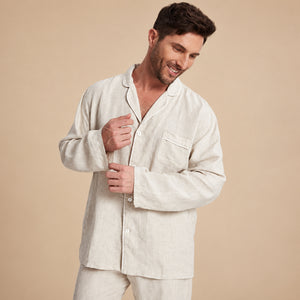
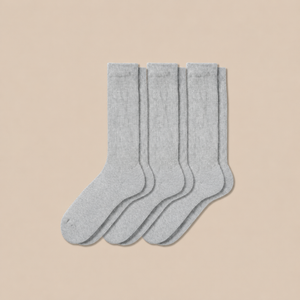
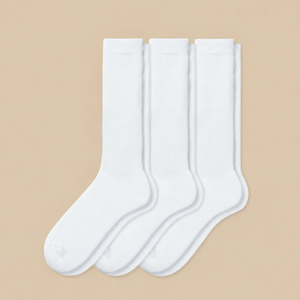
If you are building a low-wash, cold-water drawer, start with fabrics that suit it. Our hemp sleepwear and linen sleepwear are made from natural, breathable fibers, and our underwear and socks use moisture-wicking, seamless construction for comfort.

Buying for someone else? Our Linen Lovers’ Sleepwear Set for 2 is a curated gift set, and you can add a text monogram to personalize sleepwear. For ideas, see our list of sustainable care package ideas. Looking for a longer-term plan? Sustainable underwear essentials shows how to build a small drawer that lasts, and how often to replace underwear covers lifespan.
A weekly routine you can actually keep
- After wearing: air out sleepwear and socks. Put underwear straight in the hamper.
- Stains: treat them promptly with cool water and a dab of gentle detergent.
- Sort: group delicates together and zip small items in a mesh bag. Keep wired or lace items for the sink.
- Wash: cold, delicate cycle, half the usual detergent of a certified, fragrance-free brand. Run a full load when you can.
- Rinse: add half a cup of vinegar to the final rinse only if the fabrics and dyes allow it.
- Dry: blot, lay flat or hang. Use the dryer’s moisture sensor and cool-down if you must tumble.
- Check the label first, every time you buy something new.
For a typical household doing one delicates load a week, going from warm to cold and from the dryer to a rack removes most of the energy that load uses. The figures above show where that energy goes.
FAQ
What is a good laundry detergent for delicates?
Look for a gentle, fragrance-free formula with an EPA Safer Choice, Green Seal or UL/EcoLogo certification, as San Francisco’s environment department advises. Wool and silk call for a pH-neutral, wool-specific detergent. Use less than the label suggests.
What is the most environmentally friendly way to wash clothes?
Wash only when needed, run full loads, use cold water, and air dry. Earth Day’s toolkit says about 90% of washer energy goes to heating water, so cold washing is the single largest change. An ENERGY STAR washer adds further savings.
Can I wash delicates with vinegar or castile soap?
Yes, for many fabrics. Castile soap is gentle enough for silk and wool, and half a cup of vinegar in the rinse reduces residue. Do not mix them directly, because they curdle, and go easy on vinegar with elastic and acid-sensitive dyes.
Is it better to hand-wash or use the delicate cycle?
Hand-wash wired bras, lace, wool and anything the label flags. Knit underwear, sleepwear and socks do well on the delicate cycle in a mesh bag. Both beat a hot normal cycle for the fabric and the planet.
Sources
- Do I need to wash this? | American Cleaning Institute
- Dry-clean only? How to tell if it’s safe to handwash a delicate garment | The Guardian
- Toolkit: How to care for your clothes | Earth Day
- How to Wash Delicates: Step-By-Step Guide | Dreft
- Laundry Practices and Water Conservation | National Park Service
- The One Laundry Setting You Should Be Using More | The Spruce
- Tips for a less toxic laundry routine | SF Environment
- How to Use Castile Soap for Laundry | The Spruce


Leave a comment