


Low Impact Laundry: Save Water and Energy Without New Detergent
Low impact laundry comes down to five moves: wash less often, use cold water, run full loads, air-dry instead of machine-dry, and switch to biodegradable detergent. Machine drying alone drives about 75% of a laundry load’s carbon footprint, and air-drying cuts that impact by roughly 67%. Pair those habits with fabrics like the hemp and linen Breevar builds into its sleepwear, and you have a routine that actually moves the needle.
TL;DR:
Washing less frequently and air-drying clothes can reduce the laundry’s carbon footprint more than switching detergents.
Fully loading washing machines and using cold water or eco cycles significantly lower water and energy use.
Air-drying and choosing natural fibers like hemp and linen extend garment life and decrease the need for washing.
Drying is responsible for around 75% of the laundry’s carbon emissions, so shifting to air-drying offers the greatest impact savings.
The choice of detergent matters less than behavior changes, but biodegradable, low-waste options and microfiber filters reduce downstream environmental harm.
Table of Contents
Your Low Impact Laundry Checklist for Today
Most people overhaul their detergent before they touch their habits. That’s backwards. The biggest wins come from doing laundry less often and drying it smarter, not from swapping one bottle for another. Here’s the order that actually matters, ranked by impact.
-
Wash less. T-shirts, sweaters, jeans, and sleepwear can usually go multiple wears before they need a wash. Hang worn items to air out overnight instead of tossing them straight in the hamper, and spot-clean small stains with a damp cloth rather than running a full cycle for one mark.
-
Default to cold water and eco cycles. Modern detergents are built to work in cold water, and washing cold protects fabric dyes while cutting energy use. Reserve warm or hot water for genuinely soiled items, like gym clothes or anything that’s touched illness.
-
Run full loads, not partial ones. High-efficiency washers are engineered to clean best at full capacity, so a half-empty drum wastes water and power per item cleaned. Use your machine’s load-size selector honestly instead of guessing.
-
Shorten the cycle and slow the spin for delicates. A gentler, shorter cycle protects fibers and still gets the job done for lightly worn items.
-
Air-dry whenever you can. A drying rack near a window or a fan does more for your footprint than almost any other single change.
-
Skip disposable dryer sheets. Wool dryer balls or a splash of white vinegar in the wash soften fabric without the residue buildup that conventional softeners leave on skin and fibers.
-
Choose low-waste detergent formats. Strips, concentrated refills, and powders in compostable packaging shrink the plastic footprint of every wash.
-
Capture microfibers. A mesh wash bag or an in-drum lint trap catches synthetic fibers before they reach the wastewater stream.
-
Repair and rotate instead of replacing. A quick mend on a seam or a rotated wardrobe keeps garments in circulation longer, which beats any laundry trick for reducing total impact.
Apartment dwellers without outdoor drying space can still hit most of this list. A tension rod over a bathtub or a compact drying rack near an air vent handles the drying step just fine. Families with high laundry volume benefit most from step 3: consolidating loads instead of running the machine daily.
Pro Tip: Pre-treat stains the moment you notice them. A quick stain-removal step before the wash means you won’t have to rewash a whole load because one spot didn’t come out.
What Should You Look for in an Eco-Friendly Detergent?
Skip anything with phosphates, sulfates like SLS or SLES, and synthetic fragrance if you can. Look instead for plant-based, biodegradable formulas, ideally ones carrying the EPA Safer Choice label, which flags cleaning products with safer ingredient profiles for people and waterways.
Dosing matters more than most people realize. Overdosing detergent doesn’t clean better. It leaves residue on fabric that often triggers a second rinse cycle, which cancels out any water you saved by washing full loads in the first place.
-
Detergent strips and compostable powder pouches cut packaging waste dramatically.
-
Concentrated liquid refills reduce the plastic and shipping weight of every purchase.
-
Fragrance-heavy formulas and traditional fabric softeners accumulate on fabric over repeated washes, which can irritate sensitive skin.
Peer-reviewed research on laundry optimization found that combining a lower wash temperature with a modest detergent dose and a full load delivers a bigger environmental benefit than adjusting any single factor alone.
Why Does Drying Use More Energy Than Washing?
Drying is the heaviest lift in the entire laundry process. Machine drying makes up roughly 75% of a load’s total carbon footprint, while switching to air-drying can cut that impact by about 67%. Washing is almost a rounding error next to that number.
Rank your drying choices this way:
-
Air-dry first. A drying rack, a retractable line, or even hangers on a shower rod handles most loads without any energy cost.
-
Use a dehumidifier in small spaces. It speeds up indoor drying without the electricity draw of a full dryer cycle.
-
If you must use a dryer, pick eco or low-heat settings. Energy Saver guidance recommends shorter, cooler cycles and cleaning the lint filter every time to keep airflow efficient.
-
Add wool dryer balls to any machine cycle. They cut drying time by improving air circulation between garments.
Pro Tip: Pull clothes out the moment they’re dry. Overdrying doesn’t just waste energy. It’s also what breaks down elastic and weakens fibers fastest.
Do Microfibers From Laundry Really Matter?
Every wash sheds tiny synthetic fibers, and many wastewater treatment plants aren’t built to filter them out, so they end up in rivers, oceans, and eventually the food chain. Cold water and shorter cycles reduce shedding because heat and agitation are what loosen fibers in the first place.
A few habits catch most of what does shed:
-
A mesh microfiber-catching wash bag traps loose fibers before they reach the drain.
-
An in-drum lint trap or an external washing-machine filter catches what the bag misses.
-
Choosing natural fibers like hemp, linen, or cotton over synthetic blends cuts shedding at the source, since these materials don’t break down into the same plastic microfibers.
How Can You Extend Garment Life Between Washes?
Give every item a sniff-and-inspect before it hits the hamper. Most clothes aren’t actually dirty. They just need airing out, and a few hours on a hanger near open air resets most odor. Spot-clean small marks with a damp cloth instead of running a full cycle for one stain.
When you do wash, stick to cold water and gentle cycles, then finish with low-heat drying or air-drying. High heat is what breaks down elastic and weakens seams over time, and frequent washing combined with high-heat drying accelerates textile wear on nearly every fabric type.
-
Mend small tears and loose seams before they become unwearable.
-
Rotate your wardrobe so no single item gets worn (and washed) constantly.
-
Store folded items away from direct sunlight and humidity to prevent fading and mildew.
Pro Tip: Natural fibers like hemp and linen hold up especially well to this kind of gentle care, often outlasting synthetic blends that break down faster under heat.
Can Greywater Recycling Cut Your Laundry Footprint?
Greywater recycling captures the relatively clean wastewater from your washing machine’s rinse cycle and redirects it for a second use, typically irrigation, toilet flushing, or landscape watering, instead of sending it straight to the sewer. Laundry-to-landscape systems are the simplest entry point: a diverter valve on the washer’s drain hose routes rinse water outside instead of down the drain, often without needing a permit in many areas since no plumbing modification is involved.
The water itself isn’t drinking-water clean, so it comes with real limits. Detergent residue, lint, and any bleach or heavily fragranced products in the wash make that greywater unsuitable for edible garden beds unless you switch to plant-safe, biodegradable detergent first. That’s another reason the detergent choices covered earlier in this piece matter beyond your own laundry room.
For households on municipal water in drought-prone regions, even a partial greywater setup meaningfully cuts outdoor water demand during the months lawns and gardens need it most. Apartment dwellers usually can’t install this kind of system, but anyone with a house and a yard can look into a basic laundry-to-landscape kit as one of the more overlooked moves in a low water usage laundry routine. Check local plumbing codes before installing one, since rules vary by municipality and some regions restrict greywater use on certain plant types.
Which Washing Machine Features Actually Save Energy?
Not all “energy-efficient” labels mean the same thing. ENERGY STAR certification is the benchmark worth checking, since it verifies a washer meets specific water and electricity efficiency thresholds rather than just implying efficiency through marketing.
Front-loading washers generally use less water and energy per load than top-loaders, because they don’t need to fully submerge clothes to clean them. High-efficiency machines are also built to perform best at full capacity, so pairing an efficient washer with full loads compounds the savings rather than just adding them.
For dryers, look for a moisture sensor that automatically stops the cycle once clothes are dry, since this alone prevents the overdrying that wastes energy and wears out fabric. Heat-pump dryers use a fraction of the energy of conventional electric dryers, recycling warm air instead of venting it, though they cost more upfront. If a full appliance upgrade isn’t realistic right now, prioritizing the eco or low-heat cycle on your current machine, combined with a clean lint filter every cycle, gets you a meaningful share of the same benefit.
Water usage matters as much as electricity here. A washer’s water-factor rating (gallons used per cubic foot of capacity) tells you more about its actual footprint than a generic energy label, and it’s worth comparing before buying rather than assuming any new machine is automatically better than the one you’re replacing.
Do Concentrated Detergents Actually Reduce Waste?
Concentrated detergent formulas pack the same cleaning power into a fraction of the liquid, which means less plastic per wash and less weight to ship. Choosing concentrated or low-packaging formats cuts the plastic waste and transportation emissions tied to every purchase, since a smaller, denser bottle covers the same number of loads as a bulkier standard one.
The catch is dosing. Concentrated formulas need less product per load, and using the same scoop size you’d use for a regular detergent means overdosing, which leaves residue on fabric and often forces a second rinse cycle. That second rinse quietly erases the water savings you’d otherwise get from a smaller bottle. Always check the actual dosing line on a concentrated product rather than eyeballing it based on habit.
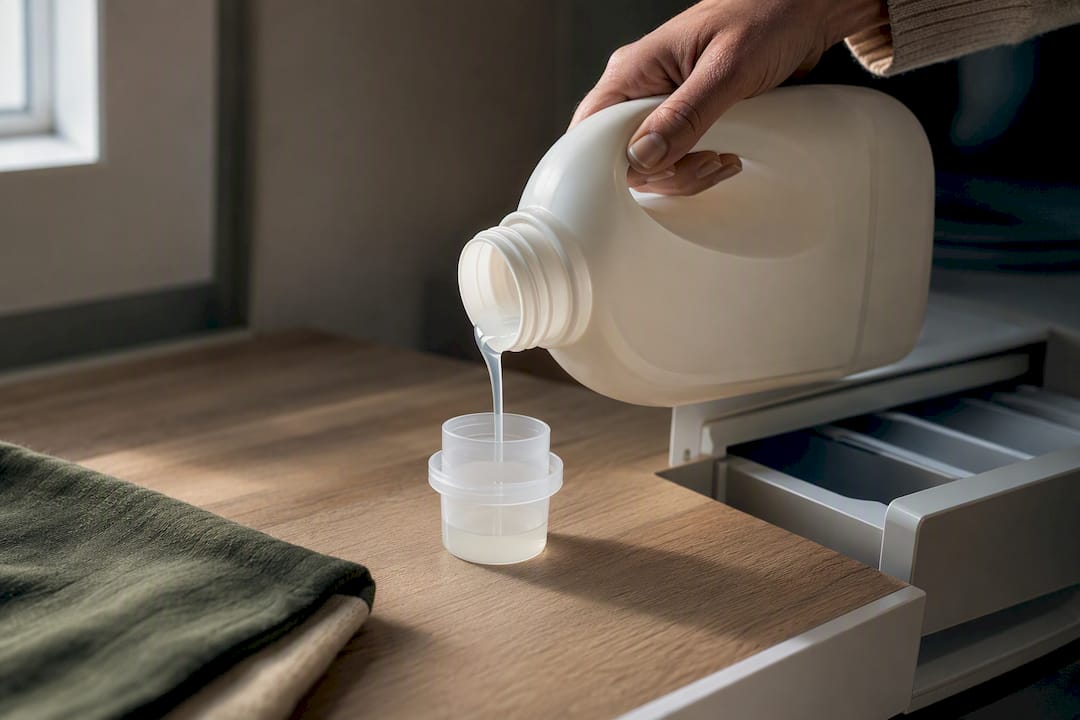
Detergent strips and tablets take concentration a step further, cutting packaging down to a cardboard box or a small pouch instead of a plastic jug entirely. They’re worth considering for anyone trying to eliminate plastic laundry waste altogether, not just reduce it.
Refill programs are the other lever worth using. Buying one durable dispenser bottle and refilling it from a bulk concentrate, where available, cuts single-use plastic further than buying a new bottle every time. Between concentrated formulas, strips, and refills, the packaging and chemical waste from a typical laundry routine can shrink substantially without changing what actually gets you clean.
How Fabric Choice Fits Into a Low-Impact Routine
Fabric decides how often you have to wash in the first place. Breevar builds its sleepwear and underwear from hemp, linen, and modal specifically because these natural fibers are naturally moisture-wicking and resist odor buildup in ways synthetic blends don’t. Antimicrobial fabric properties mean sleepwear can go multiple wears before it needs a wash, which is one of the highest-impact moves on the checklist above.
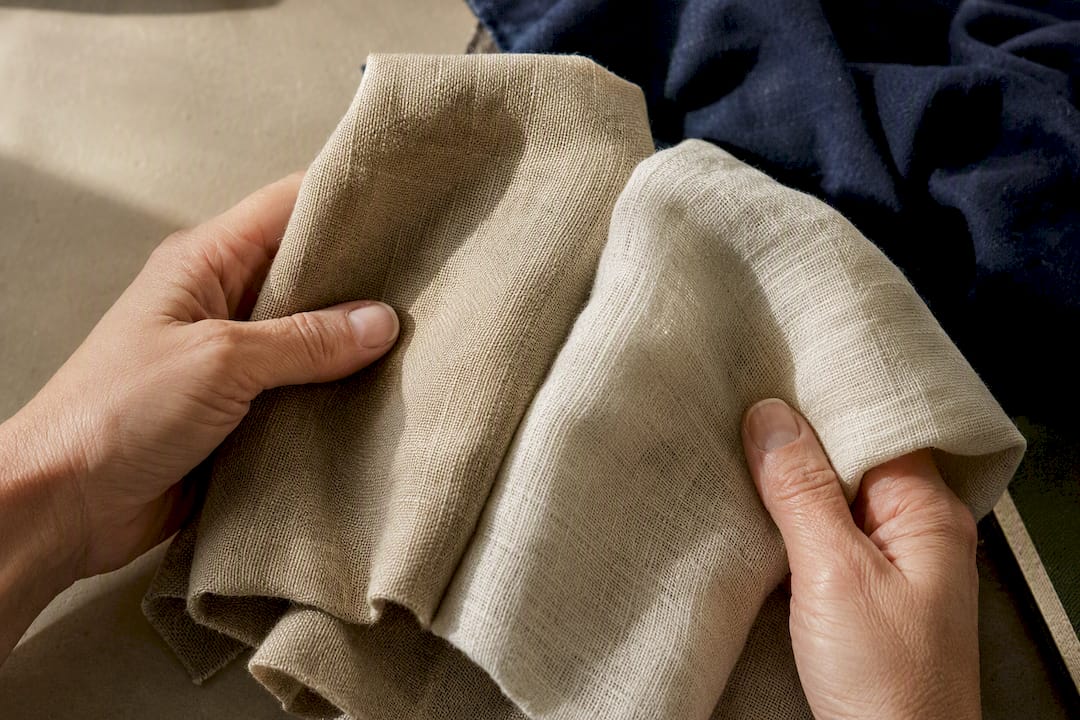
That matters most for anyone who overheats overnight. Breathable, temperature-regulating fabric reduces the sweat and odor buildup that usually forces a wash after a single wear. Less frequent washing also plays nicer with gentle-care routines: cold water and air-drying, the two lowest-impact choices covered earlier, work especially well on natural fibers.
Why the “Buy Greener Detergent” Advice Misses the Point
Most sustainability advice about laundry starts with the wrong variable. People fixate on detergent brand because it’s the easiest thing to swap without changing behavior, and swapping products feels like progress even when it barely moves the needle. The math says otherwise: drying eats up roughly three-quarters of a load’s carbon footprint, and detergent choice doesn’t touch that number at all.
Here’s what actually gets underestimated: how much of this is about frequency, not formulation. A household that washes half as often, using whatever detergent is already under the sink, will very likely cut more environmental impact than one that switches to the greenest detergent on the shelf but keeps washing daily and machine-drying everything on high heat. The behavior change outperforms the product swap almost every time.
That’s not an argument against better detergent. Biodegradable formulas and EPA Safer Choice labels genuinely matter for what ends up in wastewater downstream, and that’s worth acting on. But treating detergent as the primary lever, while ignoring drying habits and wash frequency, is like obsessing over a car’s paint color while ignoring the fact that it’s idling in the driveway all day. Fix the big lever first. Then optimize the details.
— Jason
Ready to Wash Less and Wear Longer?
Every checklist item above works better when your clothes are built for it. Some sleepwear, underwear, and socks are made from hemp, linen, and modal specifically because those fibers resist odor and need fewer washes than synthetic alternatives, which means less water, less energy, and less wear on your machine over a year of laundry.
If socks are your entry point, the Collectible Art Crew Socks – Clean Energy & Climate Action pair natural materials with a design tied to climate causes, and every purchase supports nonprofit climate and social initiatives. Households doing laundry for multiple people can stretch further with the 3-pack bundle or the 6-pack option, both of which cut down on how often anyone needs to restock or rewash. Browse the current sock and sleepwear lineup at Breevar and build a wardrobe that needs less from your washer, wash after wash.
Sources
-
Sustainable Laundry Practices - Design and Merchandising (Colorado State University)
-
How to Wash Laundry in an Eco-Friendly, Sustainable Way - The New York Times


Leave a comment