

Eco-Friendly Sleepwear Fabrics: How to Pick What Sleeps Cool
The best eco-friendly sleepwear fabrics are the ones that are both low-impact to grow and make, and that move heat and moisture away from your skin all night. Hemp, linen, TENCEL lyocell and modal, and organic cotton all fit that description in different ways. Below you will find how each one feels, how it handles sweat, how it ages in the wash and what the labels on the tag actually tell you.
TL;DR
- Linen and hemp are the strongest plant-based picks for warm sleepers: open, breathable weaves that get softer with every wash.
- Lyocell (TENCEL) and modal are smooth, drapey wood-pulp fibers; lyocell is made in a closed-loop process that recovers about 99% of its solvent.
- Organic cotton is soft and familiar, but it absorbs moisture rather than wicking it, so weave and weight matter.
- Be careful with the word bamboo: most bamboo sleepwear is really rayon, and the FTC told retailers to label it that way.
- Look for specific certifications such as GOTS, and judge weight and weave, not just the fiber name.
Table of Contents
- What makes a sleepwear fabric eco-friendly
- The main eco-friendly sleepwear fabrics, one by one
- Fabric comparison at a glance
- Best fabrics if you sleep hot or have night sweats
- Sensitive skin: what the research does and does not say
- How to read labels and avoid greenwashing
- What affects price, and how to shop smart
- Our perspective
- Buying personalized, sustainable sleepwear as a gift
- Find your fabric at Breevar
- FAQ
- Sources
What makes a sleepwear fabric eco-friendly
Three questions sort the marketing from the substance: how the fiber is grown, how it is turned into fabric, and what happens to the garment over its life.
Growing. Flax (linen) and hemp are low-input crops. According to a 2026 guide to sustainable apparel fabrics, hemp needs minimal water, grows without synthetic pesticides and returns nutrients to the soil, while linen comes from flax with low water needs and no synthetic pesticides.
Processing. Wood-based fibers such as lyocell are only as clean as the factory loop around them. Lyocell is made in a closed-loop solvent system that recovers over 99 percent of the solvent, and Sleep Foundation describes it as replacing toxic manufacturing chemicals with a nontoxic solvent.
Longevity. A pajama you wear for five years beats a cheaper one that pills in one. Fibers that strengthen or soften with washing, like linen and hemp, are a quiet sustainability win because they stay in your drawer instead of a landfill.
The main eco-friendly sleepwear fabrics, one by one
Hemp
Hemp is one of the most resource-modest textile crops, and the fabric has high tensile strength and natural antimicrobial properties. Raw hemp is coarser than cotton, which is why many apparel fabrics blend it with softer fibers to improve the hand feel, and why it feels better after repeated washing. The result is a sturdy, breathable fabric with a lived-in softness. If you want the full case, we wrote about why people choose hemp pajamas.
Hemp suits sleepers who want durability and a natural, slightly textured feel. You can browse our hemp sleepwear for sets in this fabric.

Linen
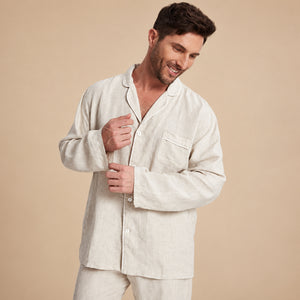
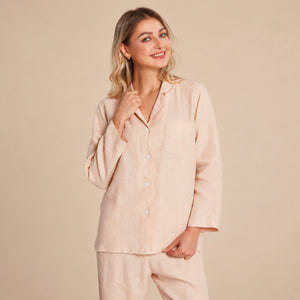
Linen is the classic hot-weather fabric. REI’s breathable fabrics guide notes that linen is very durable and easy to care for, with typically excellent breathability because the fibers are large and linen clothing usually has open weaves. AATCC, the textile professionals’ association, lists linen among the four most recommended natural textiles for sleep and calls it ideal for warm climates. Linen also softens with each wash.
The Sleep Foundation’s cooling pajama guide rates linen as excellent at moisture wicking. Our linen sleepwear collection is built around that airy character.
TENCEL lyocell and modal
Both are made from wood pulp, and both feel smooth against the skin. Lyocell runs from 120 to 180 GSM with about 2 percent shrinkage and a silk-like drape. AATCC says it is more durable and breathable than 100% cotton, dries faster and wrinkles less. Sleep Foundation adds that TENCEL modal, made primarily from beech wood, is more likely to be machine-washable and shrink-resistant, which makes it an easy everyday choice.
A small 2009 study of 30 people compared 100% lyocell clothing and bedding with 100% cotton. Participants significantly preferred lyocell for softness, temperature control and moisture control.
Organic cotton
Cotton is the familiar benchmark: soft, durable, breathable and easy to care for, though it absorbs moisture instead of wicking it. AATCC says cotton gets stronger the more it is washed, though collecting moisture can be a problem. In a lightweight, open knit or woven it is an excellent fabric for temperate bedrooms.
The organic part is mostly about the farm. Consumer Reports quotes a North Carolina State textile professor saying organic and conventional cotton are grown similarly in sustainability terms; the main differences are the seed source and the chemicals used on crops. Organic cotton is a fine choice, but it is not automatically softer. Wirecutter reports that feel is mostly determined by fiber length, and that extra-long staple cotton is especially hard and costly to grow organically.
Bamboo viscose
Bamboo sleepwear is silky and sold as green, but the story is more complicated than the tag. In 2010 the Federal Trade Commission ordered retailers to stop labeling rayon textiles as bamboo, according to Consumer Reports, because once the plant is processed the fiber is rayon. Commercial bamboo fabric is usually bamboo viscose made in an open-loop chemical system, which offsets the plant’s farming advantage. Bamboo lyocell, made in a closed loop, is a better route but less common. We compare the two in our bamboo versus linen breakdown.
Recycled polyester
Recycled polyester keeps plastic in use and dries quickly, but it is not breathable in the way natural fibers are, and it sheds microfibers in the wash. For sleepwear, most hot sleepers do better with a plant-based fiber that lets air through.
Fabric comparison at a glance
| Fabric | Feel | Breathability and moisture | Care |
|---|---|---|---|
| Linen | Crisp at first, softer with each wash | Excellent breathability, rated excellent for wicking | Easy care, durable |
| Hemp | Sturdy, softens with washing | Breathable, naturally antimicrobial | Durable, wash cool |
| Lyocell (TENCEL) | Silky, smooth drape | Breathable, good moisture management | Gentle cycle, low heat |
| Modal | Smooth, soft | Breathable | Machine-washable, shrink-resistant |
| Organic cotton | Soft, familiar | Breathable but absorbs moisture | Easy care, gets stronger with washing |
| Bamboo viscose | Silky | Breathable | Gentle wash, avoid high heat |
Weights and care come from the sources linked above. Treat the table as a starting point, because weave and weight change the result more than the fiber name does.
Best fabrics if you sleep hot or have night sweats
The goal is not simply to absorb sweat, it is to move it. The Sleep Foundation says pajamas for night sweats should draw moisture toward the surface so it can evaporate quickly. It rates cotton, TENCEL, silk and linen as breathable, with cotton modest at wicking, silk and TENCEL better, and linen excellent. It also points out that breathability varies with weave and weight, so lightweight fabrics beat heavy flannel, even when the flannel is cotton.

There is a reason to avoid pure absorbency. AATCC’s textile expert explains that natural fabrics that hold onto moisture raise friction when moisture gets trapped, so the cloth sticks and pulls against skin and hair. Open weaves and fibers that release moisture quickly help avoid that clammy feeling. Verywell Health notes that natural fibers such as cotton, bamboo and linen can also be effective because their hollow cellulose cores promote capillary action.
In practice, that points to linen, hemp and lyocell for the warmest sleepers. We cover the details in our guides to fabrics for night sweats and natural fabrics for night sweats, and in hot climate sleepwear. If your sleep is cold-weather rather than hot, see winter breathable pajamas.
Silk is the luxury outlier. REI describes silk as luxuriously soft, lightweight and breathable but not moisture wicking, and it usually needs hand washing. If you are weighing it against satin-type fabrics, this silk versus satin comparison explains how the materials differ.
If night sweats are new, frequent or come with other symptoms, talk to your doctor. Fabric helps comfort; it is not a diagnosis.
Sensitive skin: what the research does and does not say
Fabric choice can matter for people with eczema. A 2020 evidence-based review concluded that appropriate fabric selection can reduce atopic dermatitis symptoms, that cotton and silk have mixed evidence but are generally safe, and that cellulose-based fabrics show potential efficacy. Hemp, linen, lyocell and modal are all cellulose-based, which is encouraging, though the strongest direct data is for lyocell, in the small 2009 study above.
Medical News Today adds that soft, breathable, finely woven natural fabrics tend to work best, and that organic or OEKO-TEX labeled cotton helps avoid allergenic dyes and formaldehyde resins. If you have eczema or a skin condition, ask your dermatologist before changing your routine, and wash new garments before first wear.
How to read labels and avoid greenwashing
- Check the fiber content, not the adjective. Natural, eco and green have no fixed meaning on a tag. The fiber percentage does.
- Look for specific certifications. Wirecutter describes the GOTS label as the gold standard for organic cotton. For skin-contact safety, an OEKO-TEX label addresses dyes and finishing residues.
- Question the word bamboo. If it is not labeled as bamboo lyocell or mechanically processed, assume viscose.
- Ask where the fiber was processed. Closed-loop production is the difference that matters for lyocell and modal.
- Consider the full life. Plant-based fabrics like linen and hemp are long-lived and biodegradable, which is better than a garment that falls apart.
What affects price, and how to shop smart
Organic cotton usually costs more because the yield is lower: Wirecutter, citing a NYT estimate, puts organic yields about 28% below conventional, and organic cotton is under 1% of cotton grown globally. That is why a very cheap organic cotton set deserves a closer look at fiber length and weave.
On a budget, the smartest metric is cost per year of wear. Check these before you buy:
- Fabric weight. Lightweight for warm sleepers; avoid heavy fabric even in natural fibers.
- Construction. Flat seams and seamless designs cut chafing and help garments hold up.
- Care. Cold wash and low heat extend life for every fiber on this page.
- Versatility. Pieces that work for sleep and lounging earn their drawer space.
Our perspective
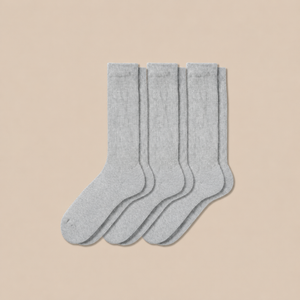
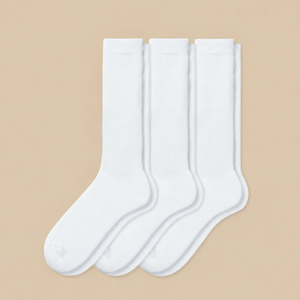
We started Breevar because the fabrics that sleep coolest and the fabrics that are kindest to the planet are, to a large degree, the same ones. Linen and hemp are plant fibers with low-input farming stories, breathable structures and a habit of getting better as you wash them. We build our sleepwear, underwear and socks around natural, moisture-wicking materials such as hemp, linen and modal because people who overheat deserve comfort that does not cost the earth.
We also believe a purchase should do more than fill a drawer. Every Breevar purchase supports nonprofit initiatives focused on climate action and social responsibility, so the pajamas you sleep in carry a purpose beyond themselves.
Our advice for a first purchase is simple: choose the fabric for how you sleep. If you run hot, start with linen or hemp. If you want something smoother and more drapey, look at modal. Then pick the weight and cut for your season.
Jason
Buying personalized, sustainable sleepwear as a gift
Gift buyers face a different checklist: you cannot feel the fabric on the recipient. Choose the fabric by the person’s sleep habits first. A warm sleeper will appreciate linen or hemp, and someone who prefers a silkier feel may like modal. Then check:
- Fiber content on the product page. It should list the exact fibers, not just a marketing name.
- Size and cut. Look at the size chart and consider a looser, more forgiving cut if you are unsure.
- Care instructions. Easy wash-and-wear care makes the gift more likely to be used.
- Personalization. A monogram makes a set feel personal, but confirm the placement and lettering options before ordering.
- Delivery time. Personalized items can take longer, so order before the holidays rather than at the last minute.
If you are shopping for two, our couples pajamas guide covers cooler fabrics for shared sleep.
Find your fabric at Breevar
At Breevar we make eco-friendly sleepwear, underwear and socks for men and women in breathable natural materials, with seamless anti-chafe construction, subscription purchase options and personalized monogram options. Start with the women’s sleepwear or men’s sleepwear collection, or browse underwear and socks to cover the whole night.

Gift buying? Our Hemp Lovers’ Sleepwear Set for 2 and Linen Lovers’ Sleepwear Set for 2 are curated gift sets, and you can add a text monogram to personalize it.
FAQ
What is the most eco-friendly fabric for pajamas?
There is no single winner, but linen, hemp and lyocell are strong choices. Linen and hemp are low-input crops, and lyocell is made in a closed-loop process that recovers over 99 percent of its solvent. Pick the one that matches how you sleep.
Is organic cotton better than regular cotton for sleepwear?
It is better in how it is grown, with different seeds and no synthetic pesticides, but not automatically softer. Feel is mostly determined by fiber length. Look for a GOTS label and a lightweight weave.
Is bamboo pajama fabric sustainable?
Most bamboo fabric is bamboo viscose, a rayon made with an open-loop chemical process, and the FTC requires it to be labeled as such. Bamboo lyocell, made in a closed loop, is a better option but is less common.
Which sleepwear fabric is best for night sweats?
Lightweight, open-weave fabrics that move moisture away from skin. Linen is rated excellent for wicking, and lyocell and silk are better than cotton. Talk to your doctor if the sweats are frequent or new.
How do I care for natural fiber sleepwear?
Wash cold and dry on low heat or air dry. Linen, hemp and cotton get softer with washing, while lyocell should not be washed or dried at high temperatures.
Sources
- Types of Sustainable Fabric for Apparel Manufacturing
- What Is Tencel Fabric? | Sleep Foundation
- How to Pick the Most Breathable Fabrics | REI Expert Advice
- Sleeping Soundly: Textiles for a Good Night’s Sleep | AATCC
- Best Cooling Pajamas for Night Sweats | Sleep Foundation
- Fabric Preferences of Atopic Dermatitis Patients | PubMed
- Sheets Buying Guide | Consumer Reports
- Is Organic Cotton Really Better? | Wirecutter
- 5 Best Sweat-Wicking Pajamas | Verywell Health
- Fabric Selection in Atopic Dermatitis | PubMed
- Fabrics for eczema: Best, worst, and how to clean | Medical News Today
- Silk vs Satin Pillowcases


Leave a comment