

Wrinkle Resistant Natural Pajamas: What Works and What to Buy
No natural fiber is truly wrinkle-proof, but you can get pajamas that look smooth and relaxed with almost no effort. Three things decide it: the fiber (modal and lyocell drape smoothly, linen and hemp wear in soft creases), the weave (sateen creases less than percale), and how you wash, dry and fold them. Skip chemical “wrinkle-free” finishes and you also keep the breathability that made you look for natural pajamas in the first place.
Below, we explain what wrinkle resistance really means, which fabrics and constructions behave best, how to care for them, and what to check before you buy.
TL;DR
- Most plant-based fibers crease. Wrinkle resistance in natural pajamas comes from choosing the right fiber and weave, then caring for them well.
- Sateen weaves wrinkle less than percale in testing, while percale tends to be the more durable of the two.
- Wrinkle-free chemical finishing on cotton has trade-offs in strength and feel, so smooth-draping natural fibers and good laundry habits are the gentler route.
- Pull pajamas out of the dryer early or air-dry, fold or hang right away, and steam if needed.
- Check fiber content, weave, fit and the care label before you buy.
Table of Contents
- What “wrinkle resistant” really means for natural fabrics
- The trade-off of chemically “wrinkle-free” cotton
- Fabrics and weaves that wrinkle less
- How to wash, dry and store pajamas to limit wrinkles
- Wrinkles versus comfort: don’t trade away breathability
- What to check before you buy
- Our picks for natural, easy-care sleepwear
- Promo: sleepwear that’s made to be lived in
- FAQ
- Sources
What “wrinkle resistant” really means for natural fabrics
Most cellulosic fabrics, meaning those made from cotton, linen, rayon and similar plant-based fibers, tend to crease and hold the crease. That is why wrinkle-resistant finishes were invented in the early twentieth century: cotton, rayon and linen all wrinkled easily.
So when a shopper types “wrinkle resistant natural pajamas,” the honest answer is a spectrum, not a switch. A cotton industry paper from the Cotton Association makes the same point: how “wrinkle free” a garment seems depends on what the wearer expects. The author calls the phrase more of a marketing term than anything else, while allowing that treated garments are easier to care for.
For pajamas, the bar is different from a work shirt. Nobody is judging your sleepwear at a meeting. What most people want is:
- a set that comes out of the wash looking tidy,
- fabric that doesn’t develop sharp, stubborn creases,
- and a soft, lived-in look that feels intentional rather than rumpled.
Natural fibers can deliver all three when you pick well.
The trade-off of chemically “wrinkle-free” cotton
Conventional wrinkle-free cotton gets its smoothness from a resin treatment. According to the same Cotton Association paper, that processing reduces fabric strength by roughly 25% to 40%, can leave garments feeling slightly harsher, and usually adds several dollars to the cost. The paper dates from 1997, so finishing technology has moved on, but the basic exchange of some strength and softness for smoothness is worth knowing about.
For something worn against your skin for eight hours a night, many people prefer to get their smoothness from the fiber and the weave instead. That is the approach we take at Breevar: natural materials, chosen for how they feel and breathe, then cared for in ways that keep them that way.
Fabrics and weaves that wrinkle less
Weave matters as much as fiber
Two pajama sets made of the same fiber can behave very differently depending on how the yarn is woven.
In Good Housekeeping’s lab testing for bedding, sateen didn’t wrinkle as much as other materials, while percale was more prone to wrinkling but proved more durable, resisting tears and pilling better. That test covered sheets, not pajamas, but the weave logic carries over to any woven cotton garment.
In practice:
| Weave | Look and feel | Wrinkle behavior | Best for |
|---|---|---|---|
| Sateen | Smooth, slightly lustrous, drapey | Creases less | A sleek look straight from the dryer |
| Percale | Crisp, matte, cool to the touch | Creases more | Durability and a crisp feel |
| Jersey knit | Stretchy, T-shirt-like | Rarely holds sharp creases | Easy, no-fuss sleepwear |
| Loose-woven linen | Textured, airy | Soft, relaxed creases | A casual, lived-in look |
Knits deserve a special mention. Because the loops of yarn stretch and recover, knit pajamas seldom hold a sharp crease the way a crisp woven shirt does. If your priority is minimal wrinkling, a knit in a smooth fiber is the lowest-effort option.
Smooth-draping fibers: modal and lyocell
Modal and lyocell (often sold under the brand name Tencel) are made from wood pulp and spun into fine, smooth yarns. They drape rather than stand stiff, which helps them look neater after washing than many plain cotton fabrics. They also manage moisture well: Sleep Foundation notes that Tencel is naturally breathable and moisture-wicking, which makes it a good choice for hot sleepers looking for cooling pajamas.
If you sleep warm, moisture handling is just as important as appearance. Breathable, moisture-managing fabrics such as cooling, moisture-wicking fabrics pull sweat away from the skin so you aren’t lying in a damp, clinging garment that wrinkles under you all night. We go deeper on the numbers in our comparison of modal and cotton pajamas for hot sleepers.
Linen and hemp: relaxed by design
Linen and hemp are the two natural fibers people most often assume are “bad” for wrinkles. We see it differently. Both are long-staple bast fibers known for airiness, and their creases are soft and irregular rather than sharp and stiff. A linen or hemp set that looks gently crumpled reads as deliberate, the same way a favorite linen shirt does.
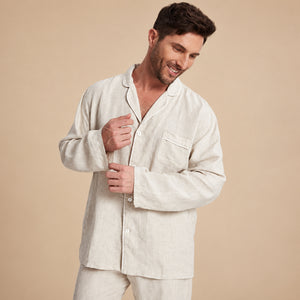
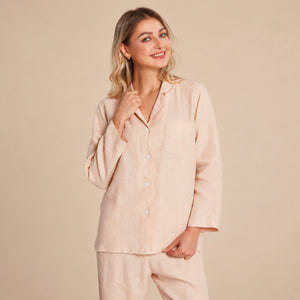
They also soften with every wash. If you want to see how we approach it, browse our linen sleepwear and hemp sleepwear. For trips, our guide to packing linen that needs only a quick steamer shows how little effort it takes to freshen up a set on arrival.

Blends
Blending natural fibers is another route. A modal-and-cotton or linen-and-modal mix can combine the drape of one fiber with the texture or strength of another. When you shop, read the composition tag rather than relying on the product title, because “natural” in a name can sit on top of a heavy synthetic percentage.
How to wash, dry and store pajamas to limit wrinkles
Care does more for wrinkles than almost any other variable. The routine below is general good practice, and your garment’s care label always has the final say.
- Read the care label first. It tells you the maximum water temperature and whether tumble drying is safe for that specific fabric.
- Wash cool or warm, not hot. Gentle cycles reduce the twisting that sets creases. For linen in particular, see our guide on how to wash linen pajamas cold or warm and skip heat.
- Don’t overload the machine. Crowded garments get pressed and tangled together, which locks in wrinkles.
- Shake each piece out before drying. A firm snap straightens the fibers while they’re still damp.
- Pull pajamas out while slightly damp, or air-dry. Fabric left sitting in a hot, stopped dryer is the classic cause of baked-in creases. Hang them or lay them flat to finish drying.
- Fold or hang right away. Don’t leave a clean set in a heap in the basket.
- Use steam, not a hot iron, for touch-ups. A handheld steamer or a hang in a steamy bathroom relaxes most natural fibers in minutes.
Store pajamas folded loosely in a drawer or hung on a wide hanger. Cramming them tight under other clothes produces the same creases you just washed out.
Wrinkles versus comfort: don’t trade away breathability
It is tempting to chase a perfectly smooth look, but sleepwear has a job to do. If you wake up overheated, the best-pressed pajamas in the world have failed. Fiber choice affects how well the fabric moves air and moisture, which is why we keep coming back to natural materials.
If night sweats or hot sleeping are the reason you’re shopping, these guides cover the temperature side in depth:
- Fabrics for night sweats: linen, lyocell and hemp
- Fabric and sleep temperature
- Linen and hemp versus temperature-regulating pajamas
- Pajama shorts versus a nightgown
In cold months the equation changes slightly, and our pieces on winter breathable pajamas and thermal versus breathable pajamas explain how to stay warm without sweating.
Our perspective
We make sleepwear from natural fibers such as hemp, linen and modal, so we hear the wrinkle question often. Our view is simple: a little softness in the fabric is a sign it is made from real plant fibers, and that is the reason people sleep so comfortably in them.
We design our pieces around breathability, moisture-wicking and seamless, anti-chafe construction, because those are what let you actually sleep through the night. A crisp, pressed look is easy to get back with a quick steam, but overheating at 3 a.m. is not something an iron can fix.
So we’d rather help you choose the right fiber and care for it well than coat it in something that changes how it feels. Choose a fabric you love to touch, wash it gently, and let it soften over time.
Jason
What to check before you buy
Use this short checklist when comparing pairs.
Fiber composition
Look at the percentages on the tag. Natural fibers such as hemp, linen, modal and lyocell should be the main content if breathability is your goal. A fabric that is mostly polyester will resist wrinkles but won’t breathe the same way.
Weave or knit
Knit pajamas generally wrinkle least. Among wovens, sateen creases less than percale, and loose linen weaves produce soft, relaxed folds. Decide whether you want crisp, smooth or casual, and match the construction to it.

Seams and construction
Seamless or flat-seamed construction matters for skin comfort, especially if you are sensitive to chafing. Our underwear and sleepwear are made with seamless, anti-chafe construction in mind.
Fit
A slightly relaxed fit wrinkles less visibly than a tight one, and it moves air better. If you are between sizes, a roomier cut suits natural fibers well.
Care label
Be realistic about your laundry habits. If you tumble dry everything, pick a fabric that tolerates it. If you are happy to air-dry, you have more options.
Certifications and sustainability claims
If eco credentials matter to you, look for specific, named third-party certifications on the product page and read what each one covers (fiber, processing or finished goods). Vague words such as “green” or “conscious” tell you little. We also put purchases to work: every Breevar purchase supports nonprofit initiatives focused on climate action and social responsibility.
Price and durability
Price reflects fiber quality, yarn, construction and finishing. A sturdier weave and well-finished seams tend to last through more washes, so cost per wear can end up lower than a cheaper set that pills or loses shape. The Cotton Association paper also notes that wrinkle-free processing usually adds several dollars to the cost, so a higher price for a treated garment isn’t automatically a sign of better fabric.
Our picks for natural, easy-care sleepwear
If you want natural pajamas that breathe, soften with washing and are simple to freshen up, start with our collections:
- Women’s sleepwear and men’s sleepwear in natural, breathable fibers.
- The men’s short-sleeve hemp sleepwear set and the men’s short-sleeve linen sleepwear for warm sleepers.
- The linen lovers’ sleepwear set for 2, a curated gift set for a couple.
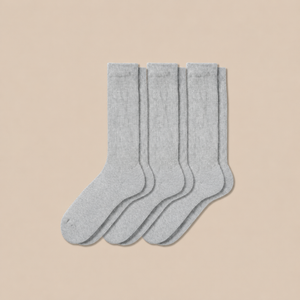
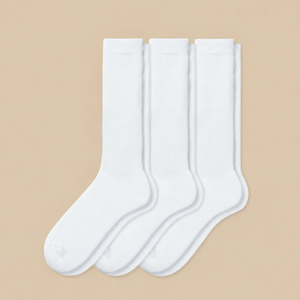
- Underwear and socks to round out a breathable night.
We can also add a text monogram to make a set personal, which works well for gifts. Subscription purchase options are available too.
Promo: sleepwear that’s made to be lived in
Breevar makes eco-friendly sleepwear, underwear and socks from hemp, linen and modal, designed for moisture-wicking comfort and a calm night’s sleep. Every purchase supports nonprofit climate and social responsibility initiatives. Browse the full range, choose a monogram, or pick a gift set for someone who sleeps hot.

Start with our linen sleepwear or hemp sleepwear, or visit Breevar to see everything we make.
FAQ
Are there any natural pajamas that never wrinkle?
No natural fiber is completely wrinkle-free, because plant-based fabrics tend to crease. What you can do is choose smooth-draping fibers like modal and lyocell, favor knits or sateen weaves, and use gentle washing and quick drying. The result is pajamas that look neat with very little effort.
Is linen too wrinkly for pajamas?
Linen creases, but its wrinkles are soft and relaxed, and they are part of the look. A short tumble on low or an air-dry, followed by a quick steam, smooths it out. Many people find linen’s airy feel more than worth the casual texture.
Is sateen or percale better for wrinkles?
In Good Housekeeping’s lab tests of bedding, sateen wrinkled less than other materials, while percale wrinkled more but resisted tearing and pilling better. If you want a smoother look, choose sateen. If crispness and durability matter more, percale is the sturdier option.
How do I get wrinkles out of natural pajamas without an iron?
Shake them out while damp, hang them to finish drying, and use a handheld steamer or hang them in a steamy bathroom for a few minutes. Always follow the care label for your specific fabric.
Do wrinkle-free finishes make pajamas better?
They make fabric smoother, but the Cotton Association paper reports reduced fabric strength and a slightly harsher feel in finished cotton. Many shoppers prefer to choose a naturally smooth fiber and care for it well instead.
Sources
- Good Housekeeping: Sheet Shopping Guide
- Sleep Foundation: What Is Tencel Fabric?
- Cotton Association: Wrinkle Free Cotton, an Overview
- Wikipedia: Wrinkle-resistant fabric


Leave a comment