

Breathable Pajama Leggings: Fabrics and Fit That Keep You Cool
Breathable pajama leggings come down to three things: a natural, lightweight fiber, a thin and open fabric, and a fit that lets air move. Get those right and a close-fitting bottom can sleep cooler than a baggy one in the wrong material. Get them wrong and even a “cooling” label will leave you warm at 3 a.m. Below is how to judge each factor, what to do if you sleep hot or wake up damp, and how Breevar’s hemp and linen sleepwear fits into the picture.
TL;DR
- Fabric weight matters more than most labels admit: in one textile study, the lightest fabric tested let the most water vapor through and the heaviest let the least.
- Natural fibers such as linen, hemp, modal and breathable cotton are the safer pick for hot sleepers, while editors who test pajamas tend to avoid synthetics because they can trap heat.
- A fitted leg is fine if the fabric is thin, soft and seamless. Look for flat or no seams, a soft waistband and a length that suits your room temperature.
- Waking up soaked in a cool room is different from feeling warm. If it happens regularly, see a doctor; fabric alone will not solve it.
- Wash gently and air-dry or dry on low so the fabric keeps its shape and airflow.
Table of Contents
- What “breathable” actually means in pajama leggings
- Why fiber choice comes first
- Fit: when a fitted leg works and when it does not
- If you sleep hot or wake up damp
- Reading labels: fiber content and certifications
- Our perspective
- Where Breevar fits
- Care: keeping the fabric breathable
- Choosing in practice: three quick scenarios
- FAQ
- Sources
What “breathable” actually means in pajama leggings
Breathable means two things happening at once: air passes through the fabric, and moisture vapor from your skin escapes instead of sitting against you. When either stalls, heat and dampness build up, and you wake, kick off the covers, and drift back to sleep badly.
Textile researchers who measured this describe the main drivers as porosity (how open the fabric is), areal density (weight per square meter), thickness and yarn properties. In their tests, water vapor transmission fell as fabric weight and thickness rose: the lightest sample at 107 g/m² let the most vapor through, and the heaviest at 182 g/m² let the least. You rarely see grams per square meter on a product page, but you can feel it: hold the fabric up to a window. If it looks dense and opaque, and feels thick between your fingers, it will hold heat.

The same researchers noted a trade-off. A very fine yarn knitted tightly feels smooth and cool to the touch because more fabric surface touches your skin, but it is associated with less breathability. That explains why some silky leggings feel cool for the first minute and stuffy by midnight. Cool-to-the-touch is not the same as breathable.
Why fiber choice comes first
Fiber decides how much moisture the fabric can take up and release. Editors who test pajamas for summer prefer natural fibers and say synthetics can trap heat and feel stuffy overnight. Their picks include lightweight cotton weaves, linen for hot sleepers who want something extra breezy, and silk for a smooth, temperature-regulating feel. They also note linen may need several washes to soften, which is worth knowing before you judge a new pair.
The research on sleepwear is still developing. A 2024 systematic review in the Journal of Sleep Research looked at nine human studies and concluded that the fiber your sleepwear is made of affects sleep quality through skin temperature and thermal comfort. That is a good reason to treat fabric as a real sleep decision, not a style one.
Here is how the main natural options behave for a hot sleeper:
| Fiber | Feel | Best for | Watch for |
|---|---|---|---|
| Linen | Crisp, airy, softens with washing | Hot rooms, humid summers, night sweaters | Stiff at first; softens over several washes |
| Hemp | Sturdy, breathable, softens over time | Hot sleepers who want durability and a low-impact fiber | Feels textured when new |
| Modal | Silky, drapey, moisture-absorbing | Fitted, leggings-style cuts and underwear layers | Choose a light weight |
| Lightweight cotton | Familiar, easy care | Mild climates, everyday wear | Heavy jersey holds warmth |
We go deeper on how these compare in our guides to fabrics for night sweats, modal versus cotton pajamas and what actually keeps you cool.
Fit: when a fitted leg works and when it does not
Leggings-style pajamas are comfortable because nothing bunches under the covers and nothing twists around your legs. The cost is that a snug fabric has less air gap between it and your skin. That is why fabric weight and fiber matter more in a fitted cut than in a loose one.
Use this quick fit check:
- Waistband. It should be soft and flat, not a thick elastic band that traps heat around your middle.
- Seams. Seamless or flat construction avoids rubbing at the inner thigh, which matters most if you sweat and the fabric is damp.
- Rise and ease. The fabric should move with you without pulling when you bend your knees. Tension closes up the weave and lowers airflow.
- Length. Full-length is fine in a cool bedroom. In a warm one, a cropped or looser leg gives your lower legs more air.
- Layering. Pair with a light top. Heavy layers over breathable bottoms cancel the benefit.
If you cannot decide between covering more or less skin, our comparison of pajama shorts versus a nightgown shows how coverage changes how warm you sleep.
If you sleep hot or wake up damp
Feeling warm and waking drenched are not the same problem. Mayo Clinic notes that heavy sweating from too many blankets or a warm bedroom usually is not considered true night sweats. For that situation, the fix is practical: a lighter, more breathable fabric, a cooler room, and lighter bedding.
For a hot sleeper, here is a simple order of changes:
- Swap the fabric first. Moving from a dense synthetic or heavy cotton knit to linen, hemp or lightweight modal is the biggest single change you can make in the pajamas themselves.
- Loosen the layers. A single thin layer on your body and one on your bed beats two medium ones.
- Choose moisture handling over “cooling” claims. Fabric that absorbs and releases moisture keeps your skin from feeling clammy. Our write-up on hot sleepers and linen versus temperature-regulating pajamas explains the difference.
- Think about your climate. If your summers are long and humid, see our notes on hot climate sleepwear.
If you wake up soaked on a regular basis, if it interrupts your sleep, or if it comes with fever, weight loss or other symptoms, Mayo Clinic advises seeing a doctor. Good sleepwear makes a damp night more comfortable, but it is not a diagnosis or a treatment, so book a visit with your primary care physician if this sounds like you.
Reading labels: fiber content and certifications
A product page can say “breathable” without telling you much. The label gives you more:
- Fiber percentages. Look for a clear breakdown. A garment that is mostly natural fiber with a small amount of stretch is a different thing from a mostly synthetic one with a natural-sounding name.
- Fabric weight or description. “Lightweight,” “gauze” or “washed” suggests an airier fabric than “heavy jersey” or “brushed.”
- Certifications. Two labels come up most: GOTS, which covers organic fiber content and how textiles are processed, and OEKO-TEX Standard 100, which tests for harmful substances. We explain how they differ in GOTS versus OEKO-TEX, and how to verify an OEKO-TEX label in two minutes.
If you are shopping on a budget, spend where it counts: a well-made natural-fiber pair that lasts through many washes usually beats replacing cheaper, heavier pairs that pill or hold heat.
Our perspective
Most people shop for pajama leggings by how they look on a hanger. We think the better test is how they feel at 3 a.m., in your own bedroom, in July.
That is why we start with the fiber. Hemp and linen move moisture and air in a way that a lot of everyday sleepwear does not, and modal adds a soft, drapey hand for fitted pieces. We make sleepwear, underwear and socks from natural, breathable materials because comfort and sustainability should not be a trade. Our fabrics are moisture-wicking, and our pieces use seamless, anti-chafe construction so nothing rubs when you move.
The other half of it matters to us too: every purchase supports nonprofit initiatives focused on climate action and social responsibility. A pair of pajamas you sleep well in, that is made from natural materials and gives something back, is the kind of thing we want to make.
Jason
Where Breevar fits
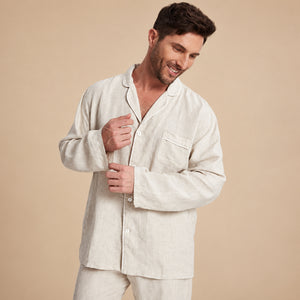
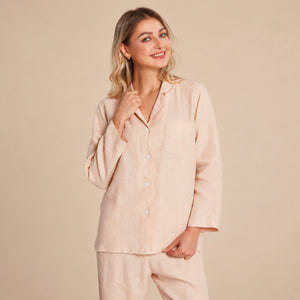
If you want sleepwear that stays cool and feels good against skin, start with our hemp sleepwear or linen sleepwear. Both are made from natural, breathable fibers with moisture-wicking properties. You can browse by fit in the women’s sleepwear and men’s sleepwear collections.
If you want matching layers, underwear and socks come in the same natural materials. For a gift, we offer curated sets such as the Linen Lovers’ Sleepwear Set for 2, and you can add a text monogram to make it personal.

Subscription purchase options are available for the pieces you reorder, so your favorites are not something you have to remember to restock.
Care: keeping the fabric breathable
Breathability depends on an open fabric structure, and rough washing closes it up. A few habits help:
- Wash on a gentle cycle in cool or lukewarm water with a mild liquid detergent.
- Skip fabric softener. It can leave a film on fibers that reduces moisture absorption.
- Air-dry flat or on a line when you can. If you use a dryer, choose the lowest heat and take items out while slightly damp.
- Expect linen and hemp to soften with each wash. That is normal and part of why people love them.
Care guidance for modal and lyocell-type fabrics points the same way: cool water, gentle cycles, low heat. Always follow the care label on your specific piece first.
Choosing in practice: three quick scenarios
You overheat in summer but your room is not that warm. Pick lightweight linen or hemp bottoms and a thin top. Keep the cut easy rather than tight. Check the room temperature and bedding too; our guide to summer sleepwear fabrics walks through the options.
You get cold in winter but still run warm under covers. Compare thermal versus breathable pajamas. Sometimes a single breathable layer with a heavier blanket you can push aside is better than thick pajamas you cannot take off.
You are buying a gift. Choose a set in a natural fabric, think about the person’s sleep temperature rather than the color alone, and personalize it with a monogram. Natural fabrics are a safe choice for someone who runs warm, and a set for two works well for couples.

FAQ
What is the most breathable fabric for pajama leggings?
Linen is widely regarded as one of the airiest options for hot sleepers, and hemp behaves similarly. Lightweight modal and breathable cotton also work, especially in fitted cuts. Fabric weight matters as much as fiber, because thinner fabric lets more moisture vapor through.
Are leggings-style pajamas too hot for summer?
Not if the fabric is thin and natural. A fitted leg leaves less air between fabric and skin, so choose a lightweight fiber, a soft flat waistband and seamless construction. In a warm room, a cropped or looser leg is cooler.
Can the right pajamas stop night sweats?
They can make you more comfortable by handling moisture better. But if you regularly wake up soaked, it interrupts your sleep, or it comes with fever, weight loss or other symptoms, see your doctor, because night sweats can have medical causes.
How do I wash natural-fiber pajamas so they stay breathable?
Use a gentle cycle, cool water and mild detergent, and skip fabric softener. Air-dry or use the lowest dryer heat and remove them while slightly damp. Linen and hemp soften with repeated washing.
Sources
- Investigating the factors affecting fabric breathability (CMS Conferences)
- The Best Pajamas for Women, Tested by Editors (Business Insider)
- How do sleepwear and bedding fibre types affect sleep (Journal of Sleep Research)
- Night sweats: when to see a doctor (Mayo Clinic)


Leave a comment